Exercises

Kurt Johannessen
Exercises
Bergen/Noruega, 2013 (3ª ed.)

offset
84 p.
10 x 10 cm
Texto em inglês
1.500 ex.

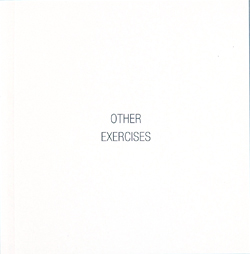
Here is a hand book of exercises that hardly anyone has tried. The format is small, which makes it easy to take the book everywhere and practise anywhere when needed. The book has been printed in five editions since the first printed in 1994, and is therefore the absolute best seller.




Um manual de exercícios que poucos tentaram fazer. O pequeno formato facilita levar o livro para qualquer lugar e praticar os exercícios sempre que necessário. O artista doou três livros de exercício por ocasião da exposição realizada em 2013 no Museu de Arte da Pampulha (O livro como performance). Apresentamos alguns dos textos traduzidos:

exercises exercises3 exercises2 exercises4 exercises6 exercises5

http://www.zeth.no/bokutdrag_bilder/exercises.html

Salvar

Lições de Escultura

camargo_E1P2-26

Marina Camargo
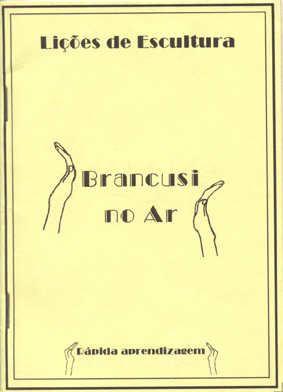
Lições de escultura: Brancusi no ar. Rápida aprendizagem
[Porto Alegre] : Marina Camargo Produções Ltda,  2010. (2. ed. )
15, [1] f. :   il. p&b
14 x 10 cm.
Impressão em offset.

camargo_brancusi_no_ar_9980-a maiastra

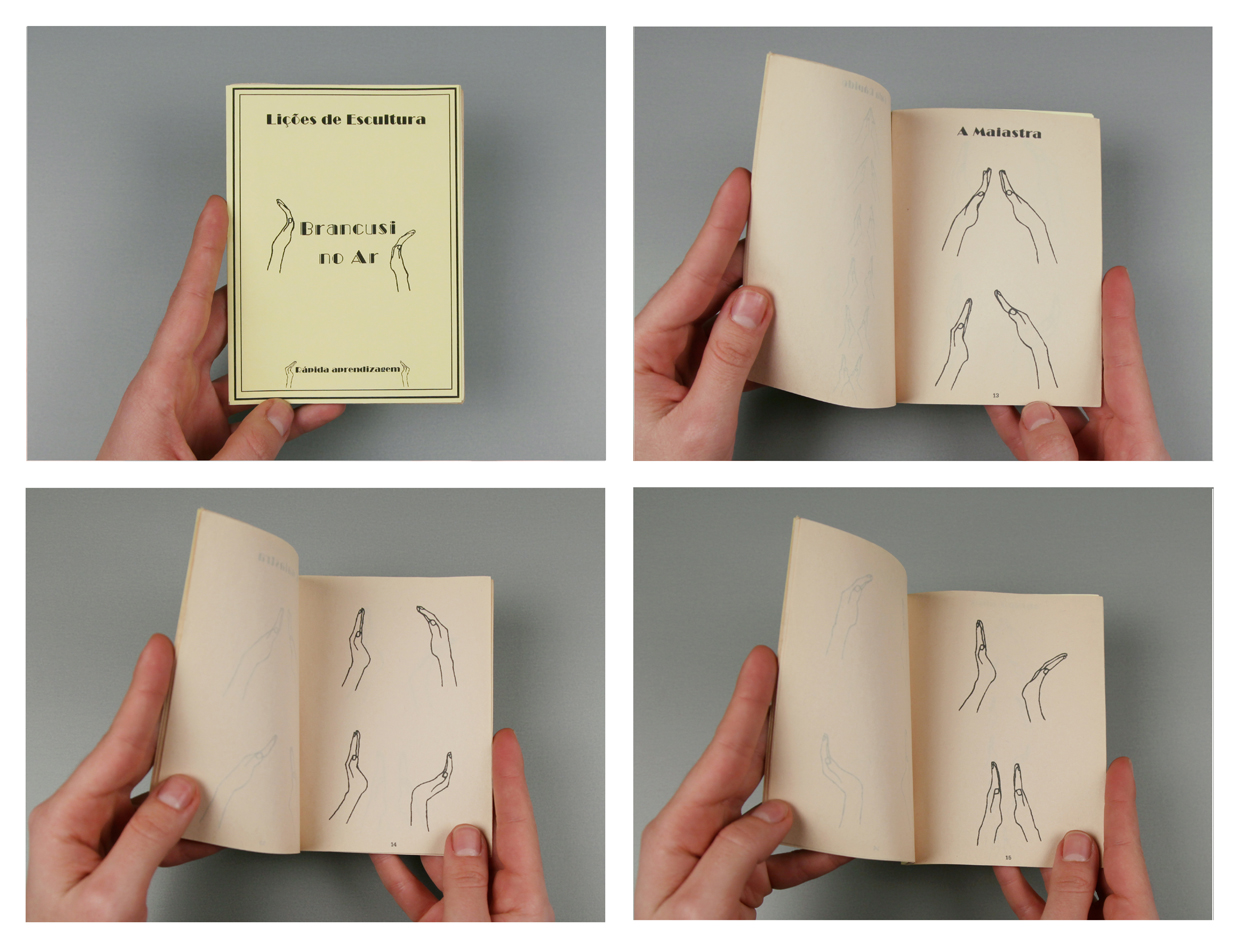
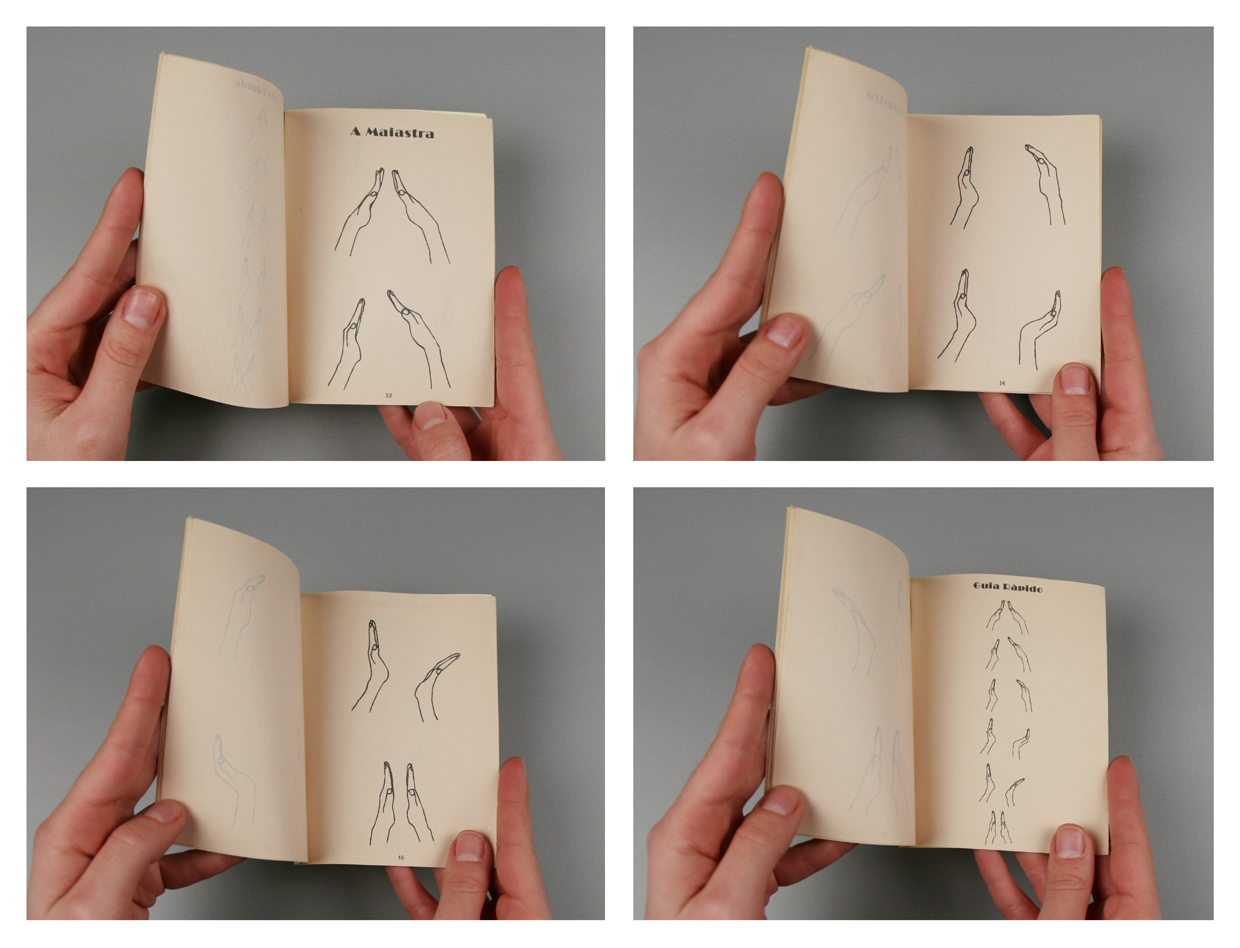
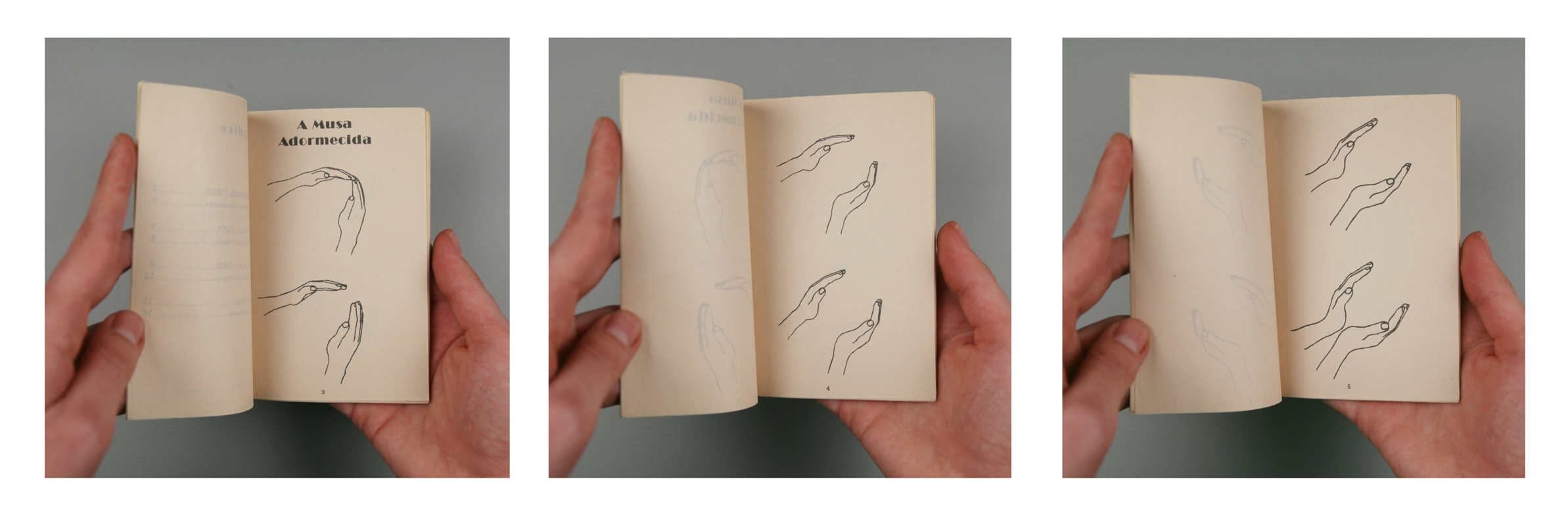
Esculturas de Brancusi desenhadas a partir do movimento de mãos modelando no ar, o livro é como um manual de instruções.

camargo_brancusi_no_ar_9980-a maiastra-b

Notas de exposição: “O desenho como instrumento”, no período de 31 de maio a 06 de julho de 2014.   Sesc Pompeia – São Paulo.

camargo_brancusi_no_ar_a-musa-adormecida

http://www.marinacamargo.com

Salvar

Poema pautado

E1P6-12

Paulo Bruscky
Poema pautado
[Recife :   Ed. do Autor],   2001.
[96] p. ;   21 x 14,5 x 1 cm.
Caderno pautado em branco.
Tiragem 10 exemplares, numerados e assinados.
Exemplar 8/10 assinado pelo autor.

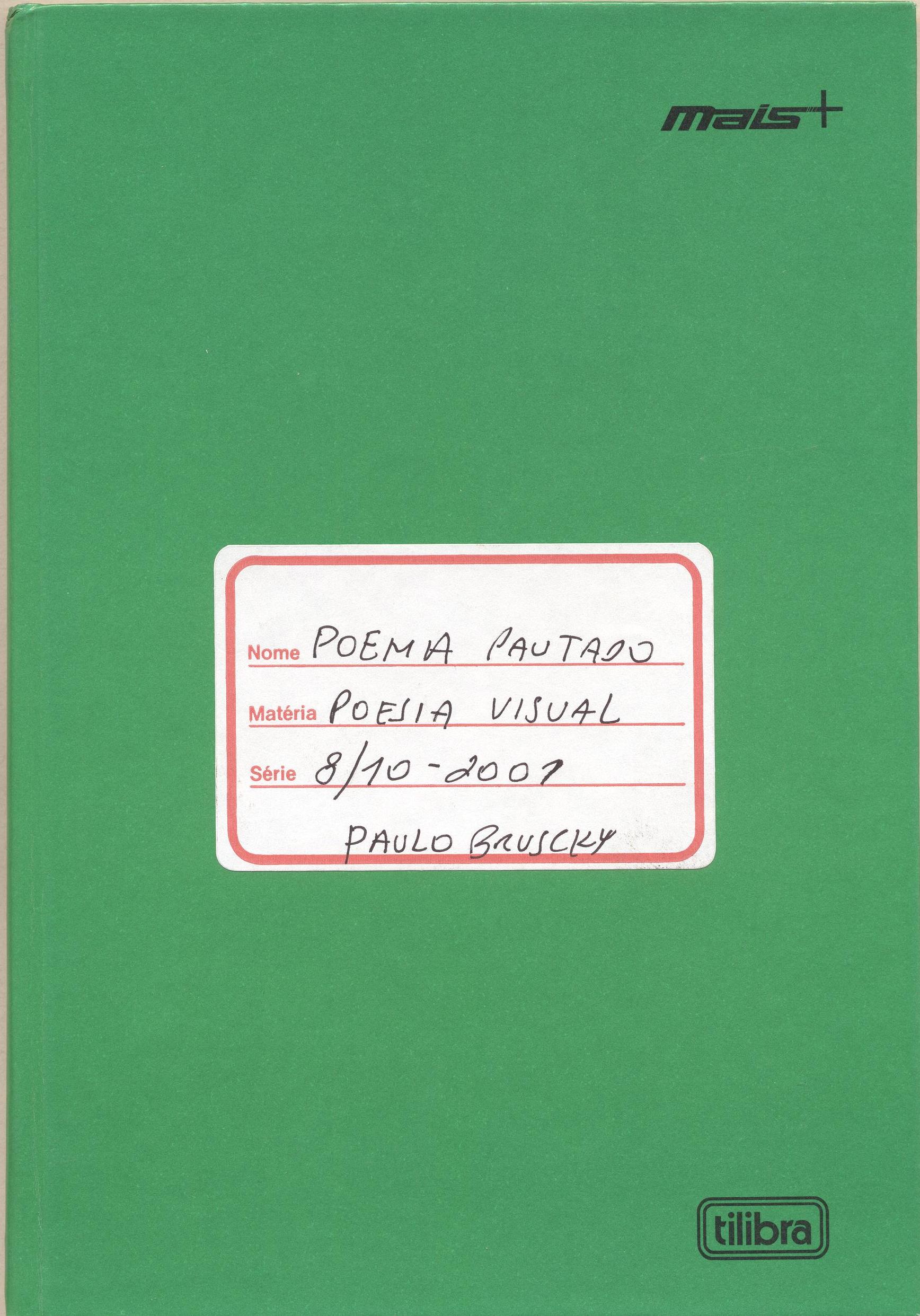
Um caderno escolar comum, com uma etiqueta contendo o nome do autor e o título. Utilizando um procedimento típico da poesia visual e dos poemas objetos, baseados na associação inusitada entre texto e imagem, o livro não possui outro elemento além dos paratextos.

O trabalho remete ao famoso livro de poemas, o Primeiro Caderno do Aluno de Poesia Oswald de Andrade, escrito, ilustrado e publicado pelo poeta modernista de forma independente.

On dirait qu’il neige

on_dirait_int

Remy Charlip (1929-2012 )
On dirait qu’il neige/ It Looks Like Snow
Paris, Édition Les Trois Ourses, 2011
11,5 x 15 cm
1.500 ex
Offset, p&b
ISBN: 9782917057032

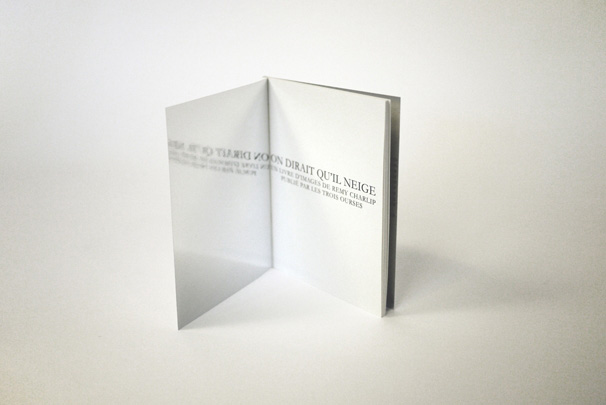
Remy Charlip leva seus leitores a seguir a trilha de um pequeno esquimó nas páginas brancas do livro. Um livro ilustrado sem ilustrações, em que o leitor pode não ver nada e ainda assim pode ver tudo.

A primeira edição é de 1957, foi publicado em Nova York com o título It looks like snow.

Remy Charlip entraîne ses lecteurs à le suivre sur les pistes blanches des pages. On a cru voir, on n’a rien vu, on a tout vu.

http://lestroisourses.com/

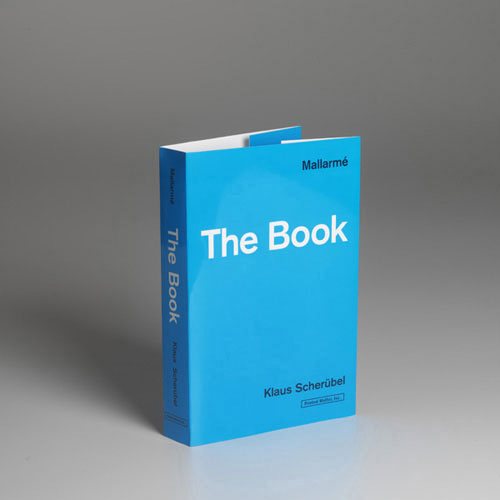
Mallarmé, The Book

Klaus Scherübel.
Mallarmé, The Book
New York, Printed Matter Inc., 2004
ISBN 0-89439-012-0

Nos últimos trinta anos de sua vida, o poeta francês Stéphane Mallarmé (1842-1889) se dedicou a um “trabalho maravilhoso”, que ele simplesmente chamou O Livro (Le Livre). Ele imaginou o livro como uma arquitetura textual-cósmica: uma estrutura extremamente flexível que iria revelar nada menos que “todas as relações existentes entre tudo.” Esta “Grande Obra”, totalmente liberta da subjetividade de seu autor e contendo a soma de todos os livros era, para Mallarmé, a essência de toda a literatura e ao mesmo tempo um livro “muito comum”. A realização deste
trabalho “puro” que planejava publicar em uma edição bestseller nunca progrediu além de sua concepção e uma análise detalhada das questões estruturais e materiais relacionadas com a publicação da obra.
Em Mallarmé, O Livro o artista Klaus Scherübel atua como editor e preservador da obra-prima esquecida de Mallarmé. Em um gesto que destaca o estatuto contraditório do livro, impossível de realizar (como um livro) e plenamente realizado (como um trabalho conceitual), Scherübel produziu uma “capa” para O Livro nas dimensões especificadas por Mallarmé mais de cem anos atrás.

http://klausscheruebel.com/

El artista y la fotografía

E3P2-09.jpg

[Joan Fontcuberta]
El artista y la fotografía.
[Barcelona :   Actar,   2000].
144 p. :   il. (algumas color.)
24 x 17 x 2 cm.

ISBN : 8495273241

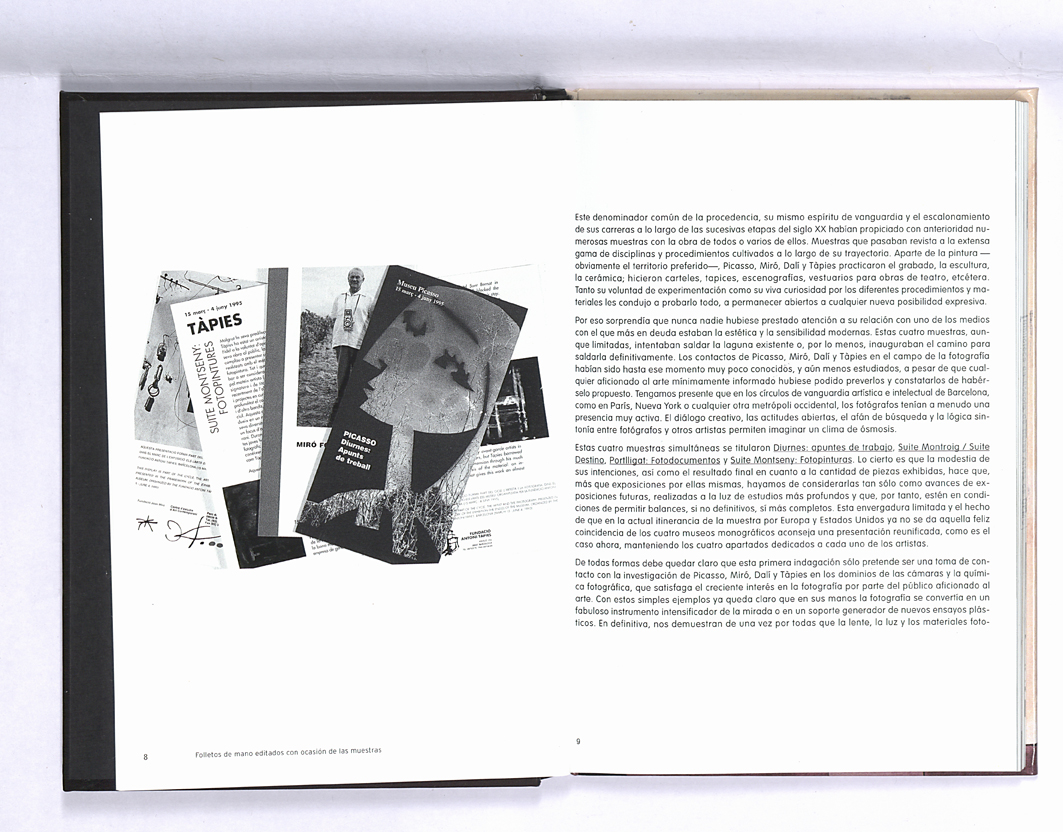
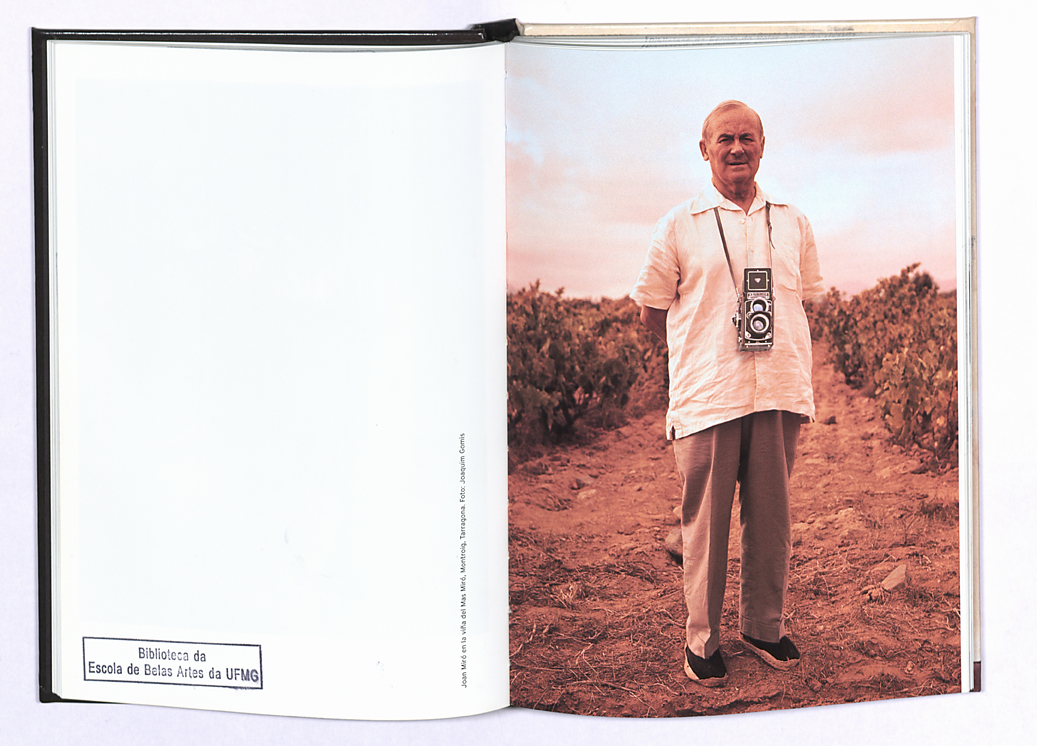
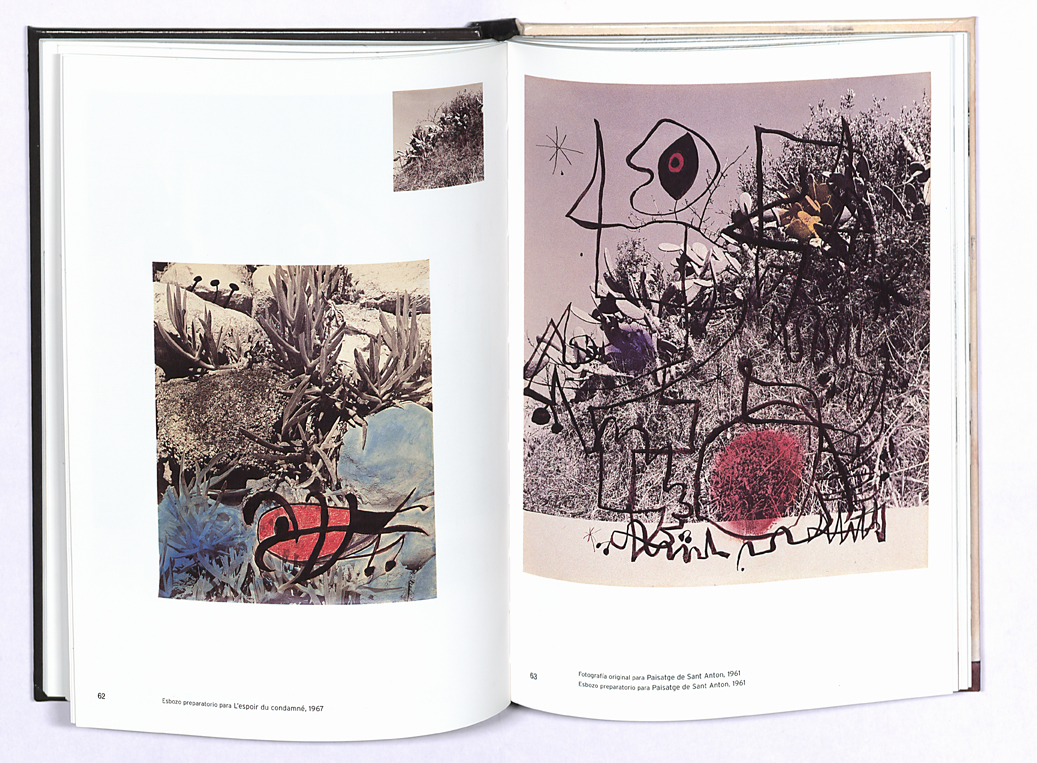
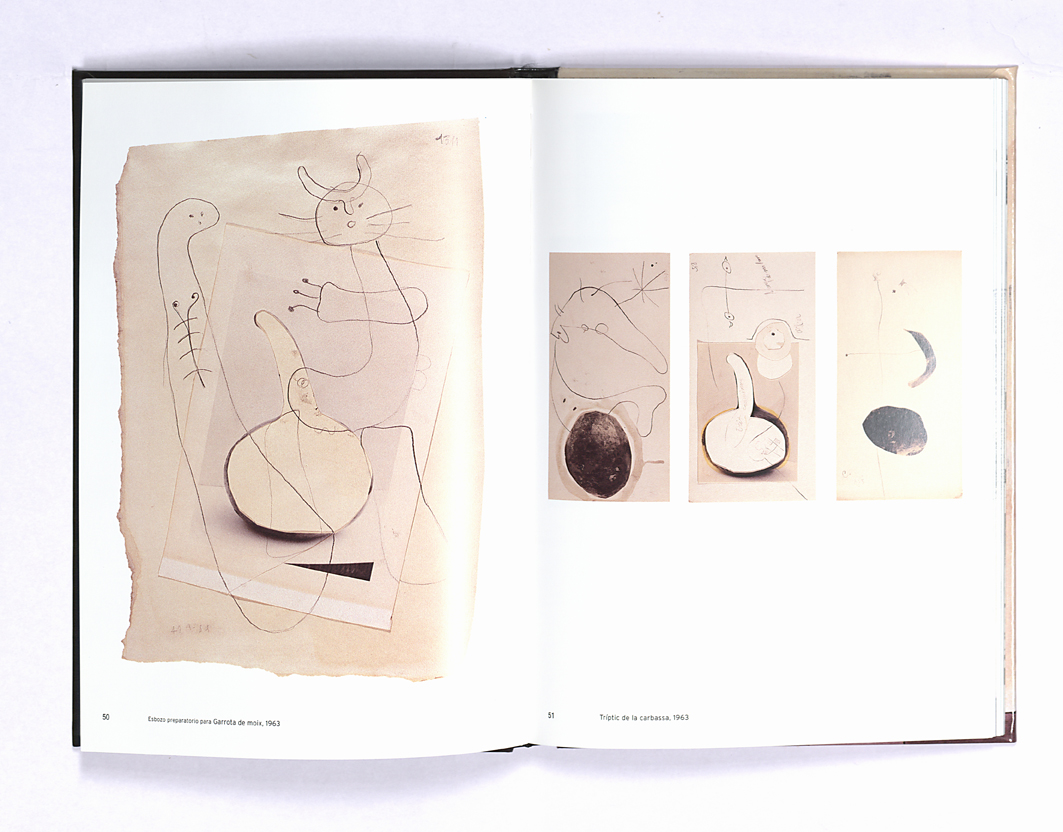
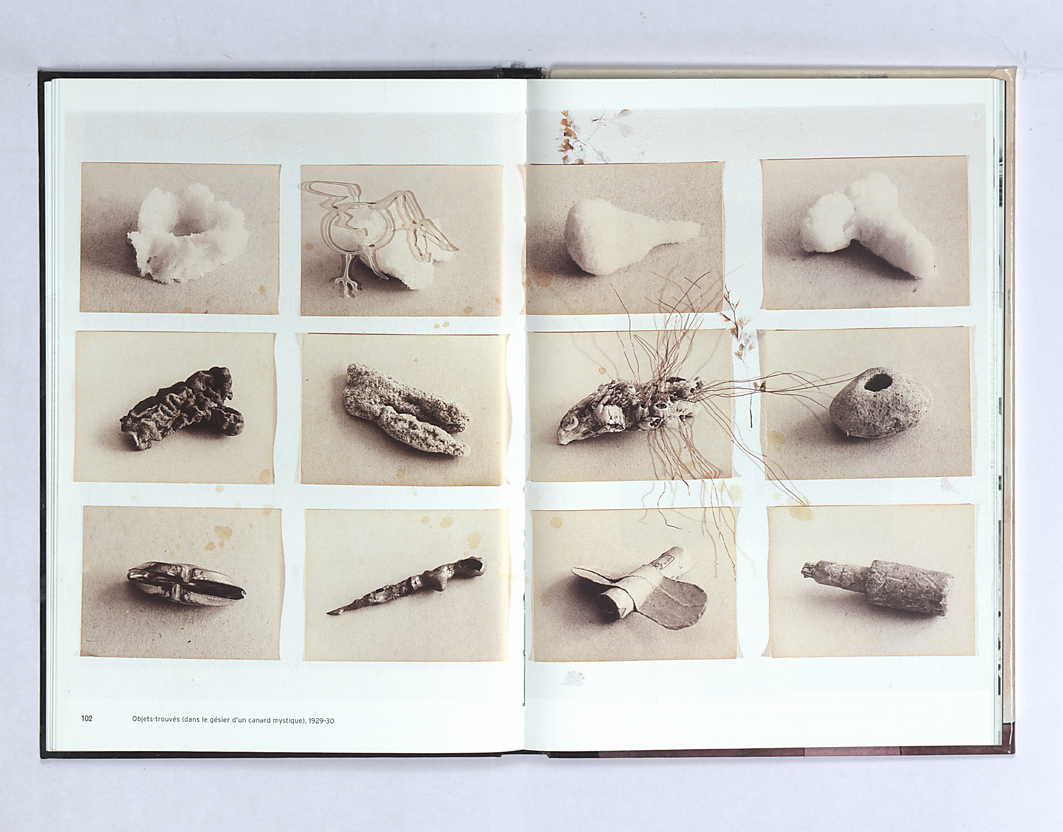
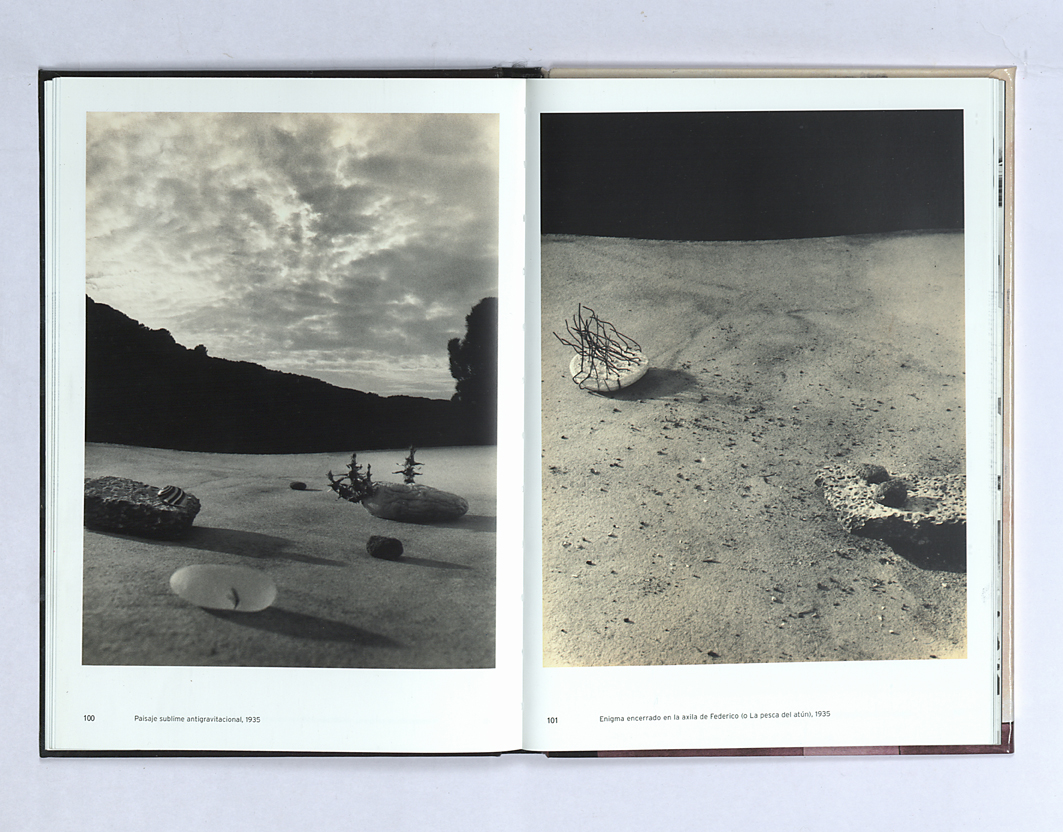
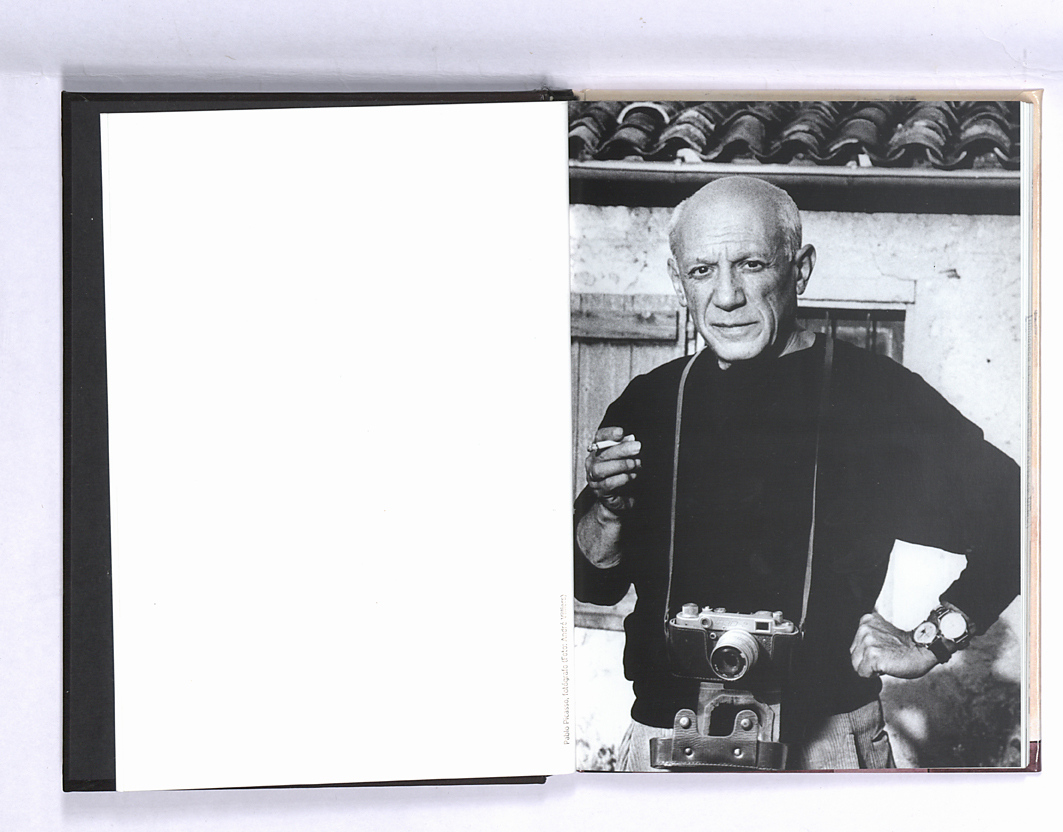
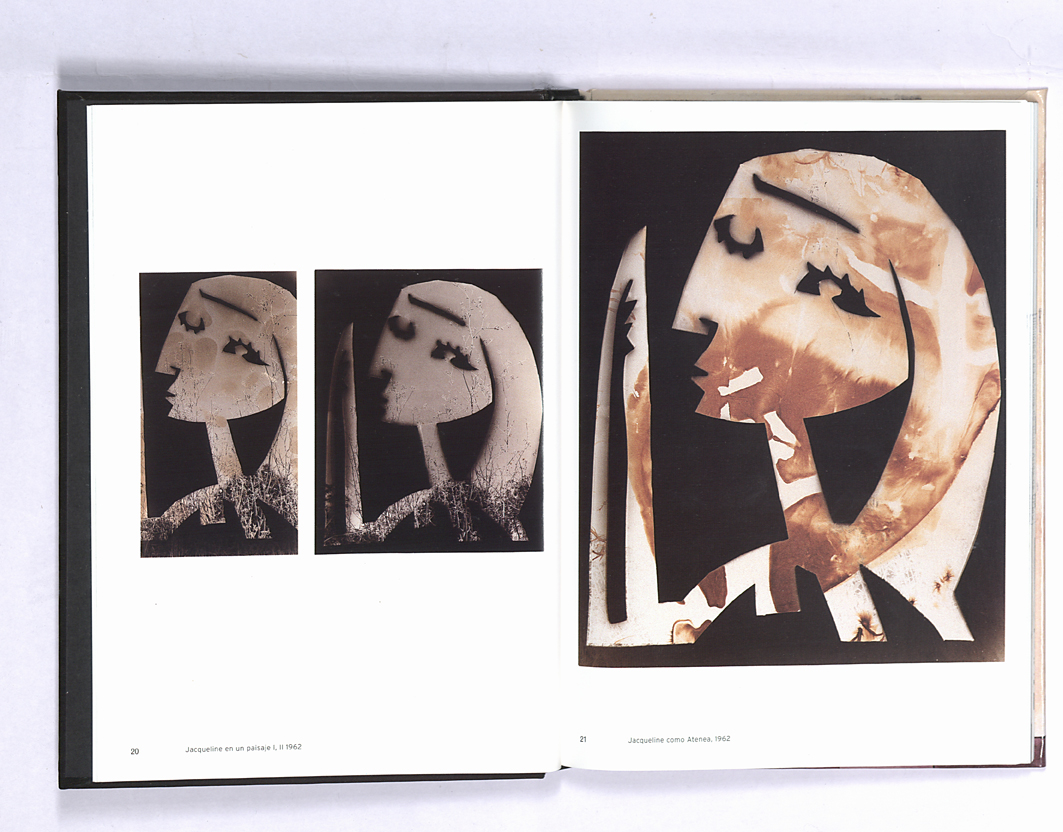
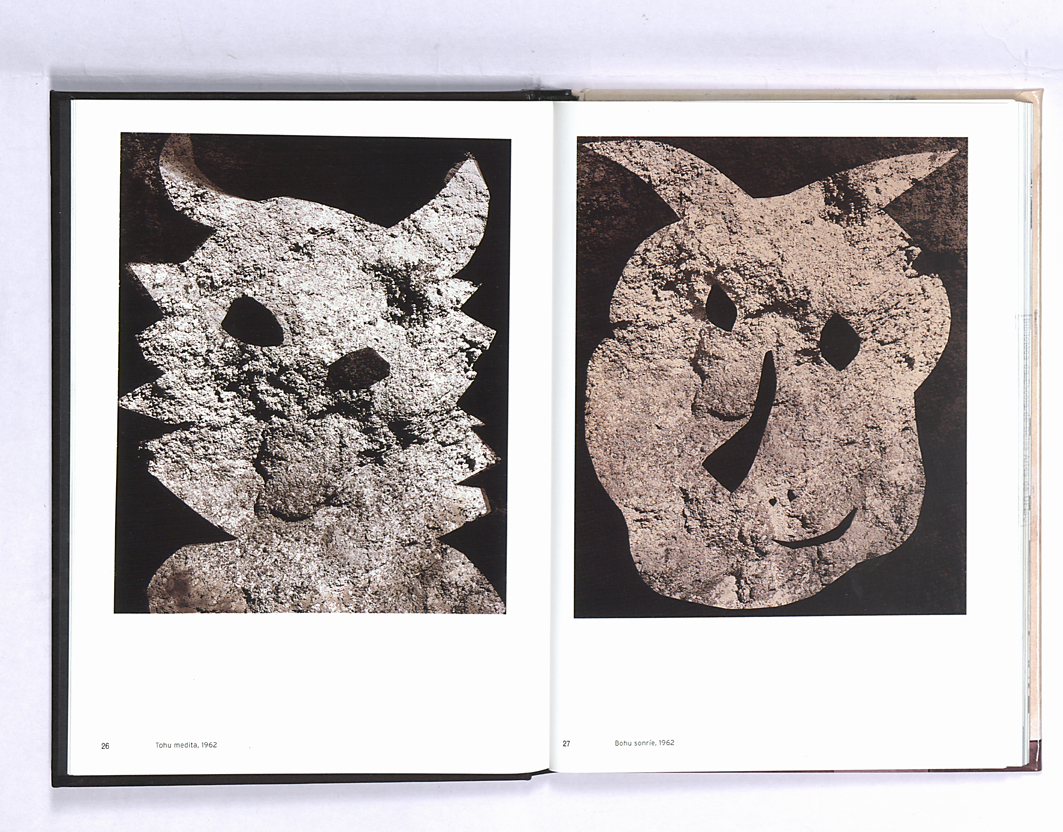
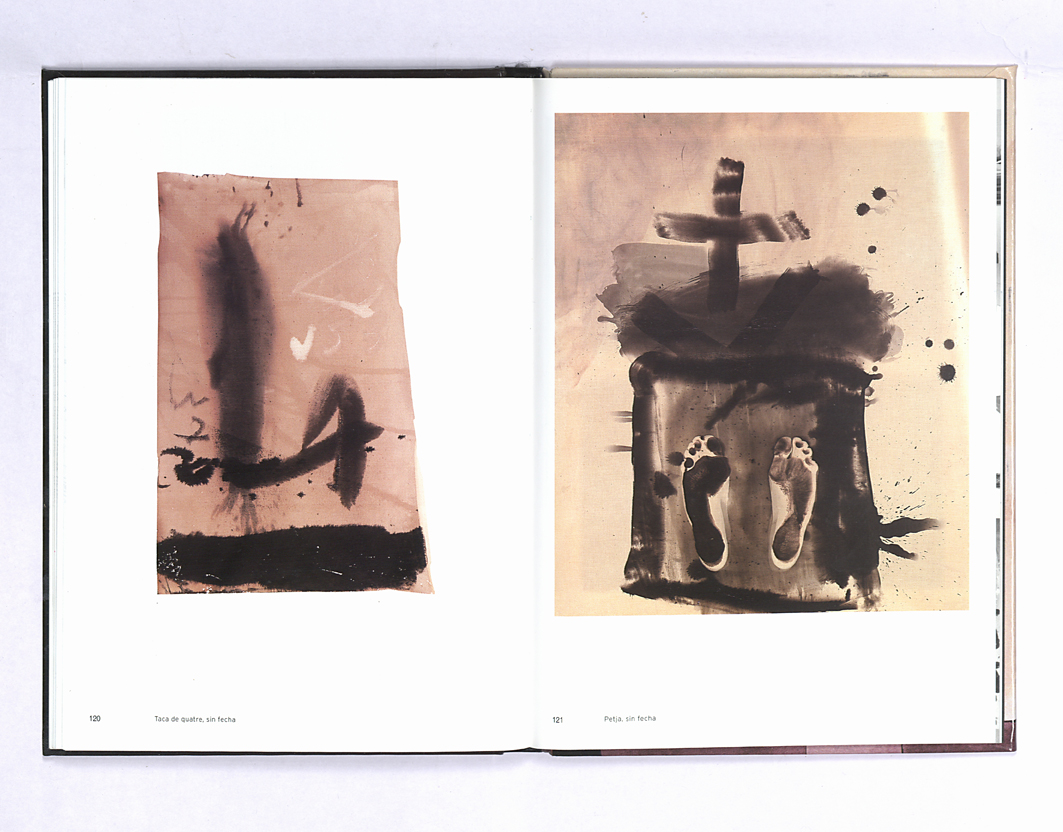
O fotógrafo, pesquisador e curador Joan Fontcuberta, atendendo um convite para fazer a curadoria de uma exposição em Barcelona, apresentou trabalhos “inéditos” de Pablo Picasso. O livro reune as fotografias de Fontcuberta que foram apresentadas em exposições realizadas em 1996 na Primavera Fotográfica, em Barcelona.

Image00008

Joan Miró e a fotografia

Image00001

Image00002

Image00003

Salvador Dalí e a fotografia

Image00004

Image00005

Pablo Picasso e a fotografia

Image00009

Image00010

Image00011

Antoni Tápies e a fotografia

Image00006

Drafting defeat: 10th century road maps and 21st century disasters

E2P4-08

Slavs & Tatars
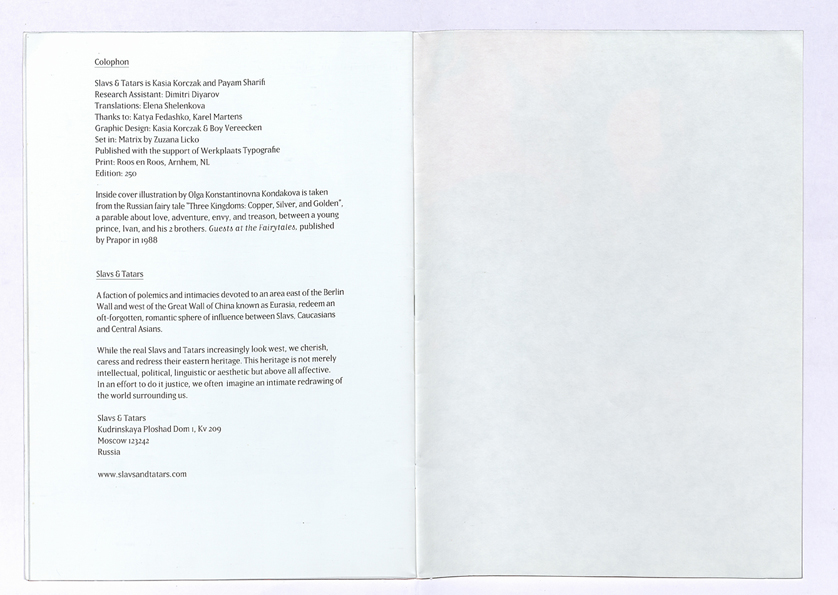
Drafting defeat: 10th century road maps and 21st century disasters.
Moscow: Slavs & Tatars, [2007]. [16] p. with Russian folktale in inside cover
22 x 31 cm. Edition of 250.
slavs_00069

slavs_00070

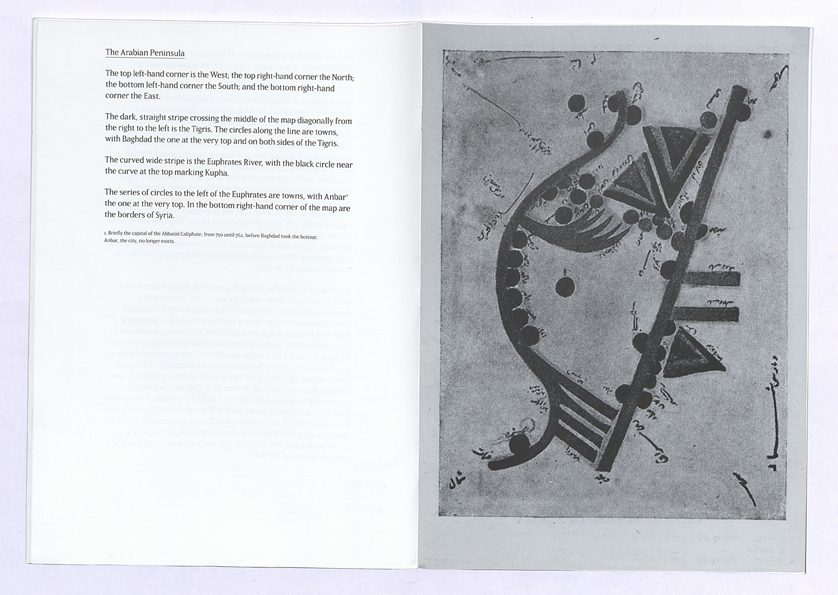
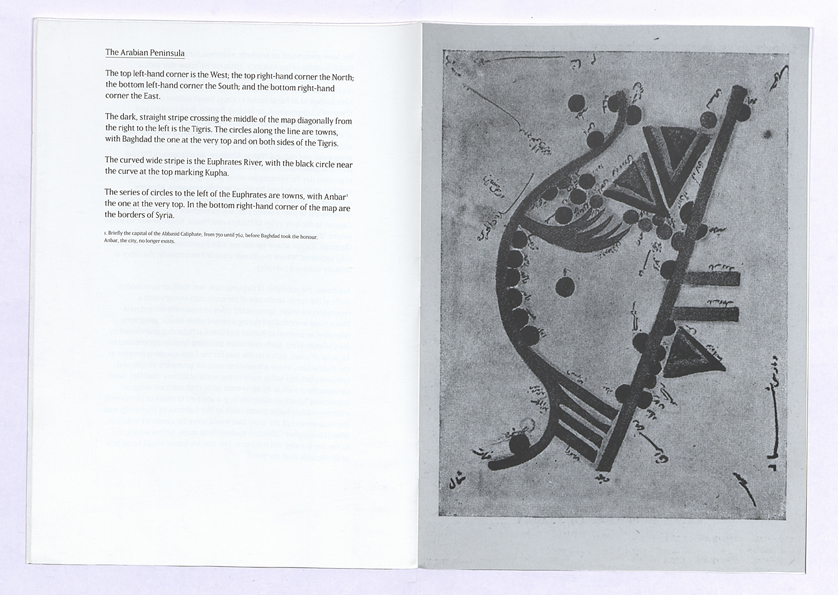
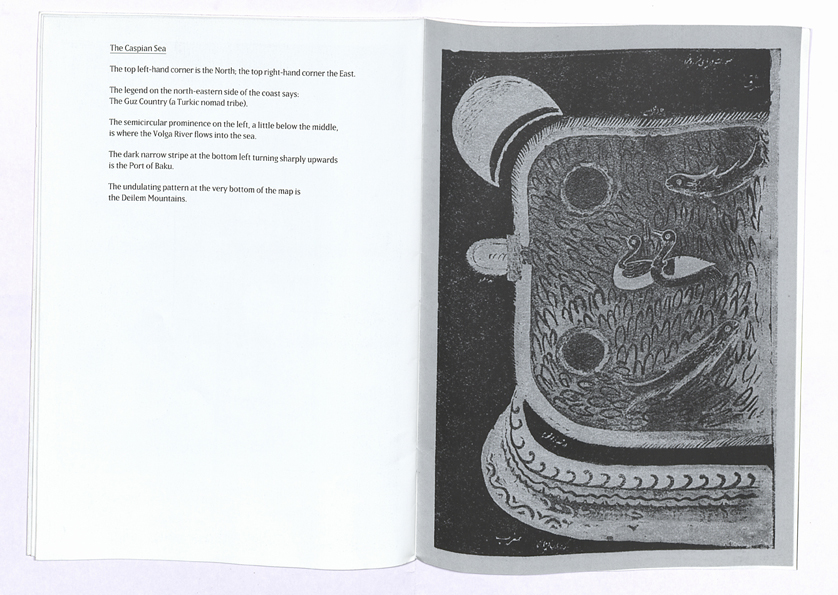
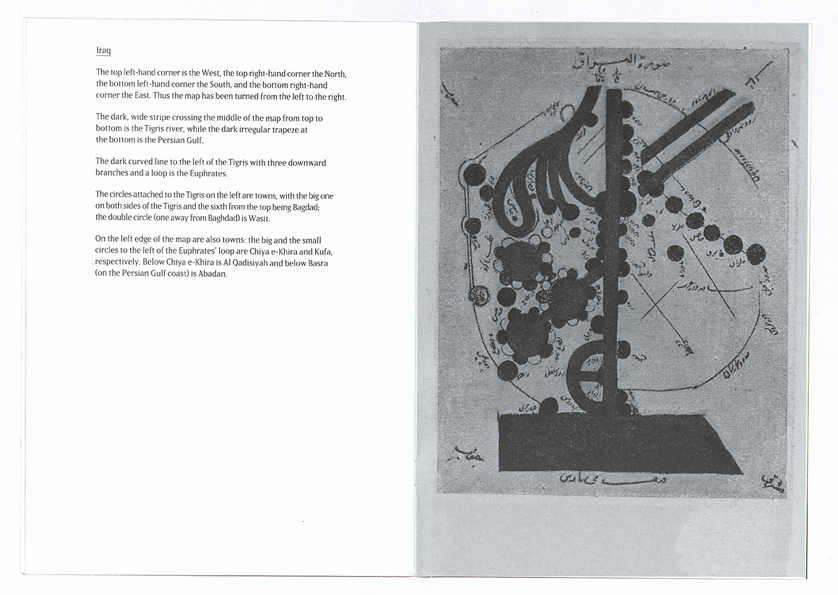
A collection of highly stylized 10th century maps of the Middle East with translations of  the legends that accompanied them in a 1933 Soviet edition of Nasser Khosrow’s Safarnameh (Book of Travels).
slavs_00072

Maps of The Arabian Peninsula, Egypt, Syria, The Persian Gulf, The Caspian Sea and Iraq by Abu Ishaq Ibrahim Ibn Muhammad Al-Farsi al-Istakhri aka Abu’l Qasim Ubaid’Allah Ibn Khordadbeh aka Al Farsi aka Istakhri.
slavs_00073

We have always had an aesthetic weakness for the merciless and brutal banality of bureaucracy. Little did we know that such a weakness would extend to the bureaucrats themselves. The following are reproductions of 10th-century maps by Al-Istakhri (aka Ibn Khordadbeh or Al Farsi) found in a 1933 Soviet edition of Nasser Khosrow’s Safarnameh, or Book of Travels. Both Istakhri and Khosrow were Persian bureaucrats whose legacy was a paper trail of the very antithesis of administration: a regime of curiosity that attempted to describe and map out the Middle East as a coherent geographic and cultural region. Khosrow, an 11th-century Persian poet and philosopher, had led an uneventful life as a tax collector in present day Turkemenistan when one night, in his sleep, a voice told him to leave behind his life of worldly pleasures. Khosrow dropped his avowed weakness for the medieval Merlot and began immediately to plan a seven-year trip through the Caucases and the Caspian to the holy cities of Medina and Mecca. Khosrow was, to some extent, the millenary Muslim equivalent of a 21st-century born-again Christian. Except where the former asked questions, the latter offers only solutions. Where the former travelled extensively, the other is unlikely to have a passport. 

Academia, the publisher of Safarnameh, was itself an unorthodox outfit in the Soviet landscape of the early 20th century with a reputation for smart, unexpected titles on relatively limited runs. These maps were drafted during a period when Islamic geography rekindled an interest in Roman and Greek scholarship abandoned by the Christian West. Early draftsmen including Istakhri contributed to An Atlas of Islam, with a visible bias for the Farsi-speaking peoples in the Middle East, where a boundless taste for geometric shapes and symmetry belongs today more to the world of fantasy than fact. Later cartographers such as Al-Idrisi went on to craft intricate maps on improbably luxurious materials (e.g. a 400-pound tablet of silver) with even more improbable names (such as The Gardens of Humanity and the Amusement of the Soul) that would serve for centuries to follow. When Christopher Columbus studied these maps, before setting out to sea, we wonder: did it occur to him that his future would be no less unpredictable than our past?