Ink & Blood

E3P3-01

Abraham Cruzvillegas
Ink & Blood: 1968–2009
San Juan [Porto Rico], Trienal Poligráfica, 2009
serigrafia sobre papel
caixa de papelão, 23 x 32 x 5 cm
conjunto de 41 peças, dimensões variáveis
1_AC1391-29

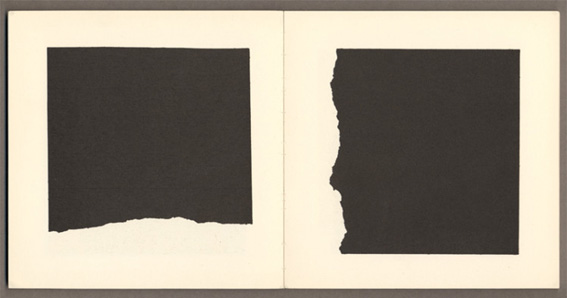
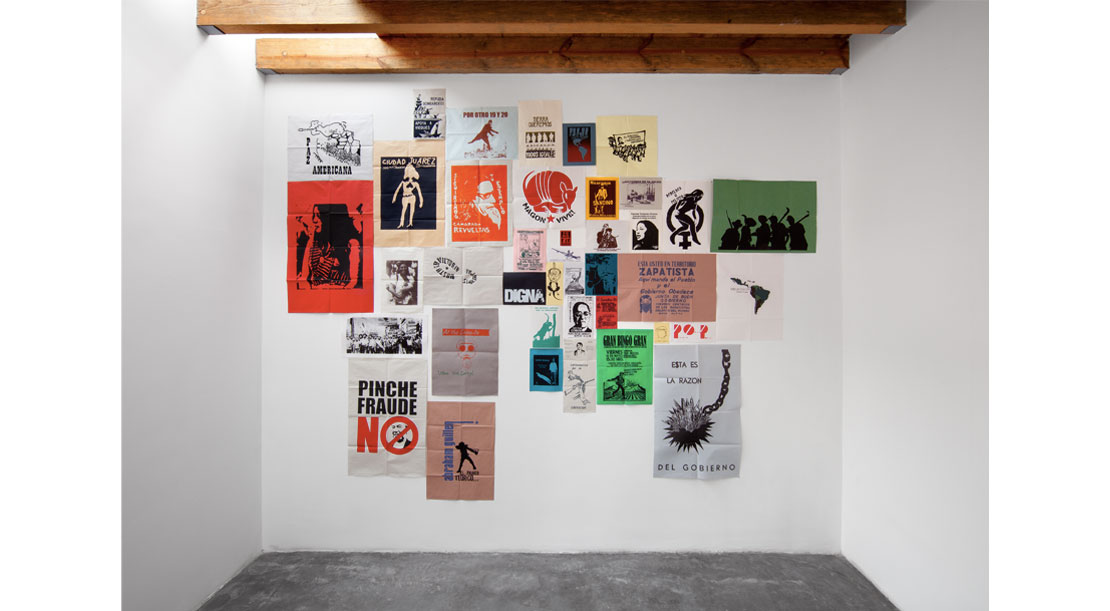
It was in 1968 that Cruzvillegas was born, and this is furthermore the year of the oldest poster presented in the set Ink & Blood, 1968–2009. In this work, 41 posters and flyers created by social movements between 1968 and 2009 were reproduced in various formats on different kinds of paper, reflecting the diversity of their original contexts. Cruzvillegas based his work on extensive research into printmaking materials from around the world, used as a communication tool by groups related to social causes. This initial research gave rise to a collection of pieces related to Latin America, gathered in Ink & Blood, 1968–2009. For his work, the artist has chosen formats, slogans and languages that serve various agendas of the left – such as agrarian reform, the struggle for political freedom, and resistance to North American intervention (Cecília Rocha)

http://doobjetoparaomundo.org.br/artista/abraham-cruzvillegas/

nk & Blood can be seen as a non-official portrait of Latin America and as a monument to the resistance movements in the region from 1968 to 2009. It is also a tribute by Cruzvillegas, an artist recognised by the art world, to the often anonymous artists who designed the original posters and slogans. Considered as a kind of monument, it is significant that the work is neither solid in its materiality nor fixed in its configuration, as are most official monuments. Instead it is fragile and mobile. These material characteristics relate to the resistance groups themselves: their vulnerability, their temporary existence and their ability to adapt, change and manoeuvre to further their goals (via  http://www.tate.org.uk )
Salvar

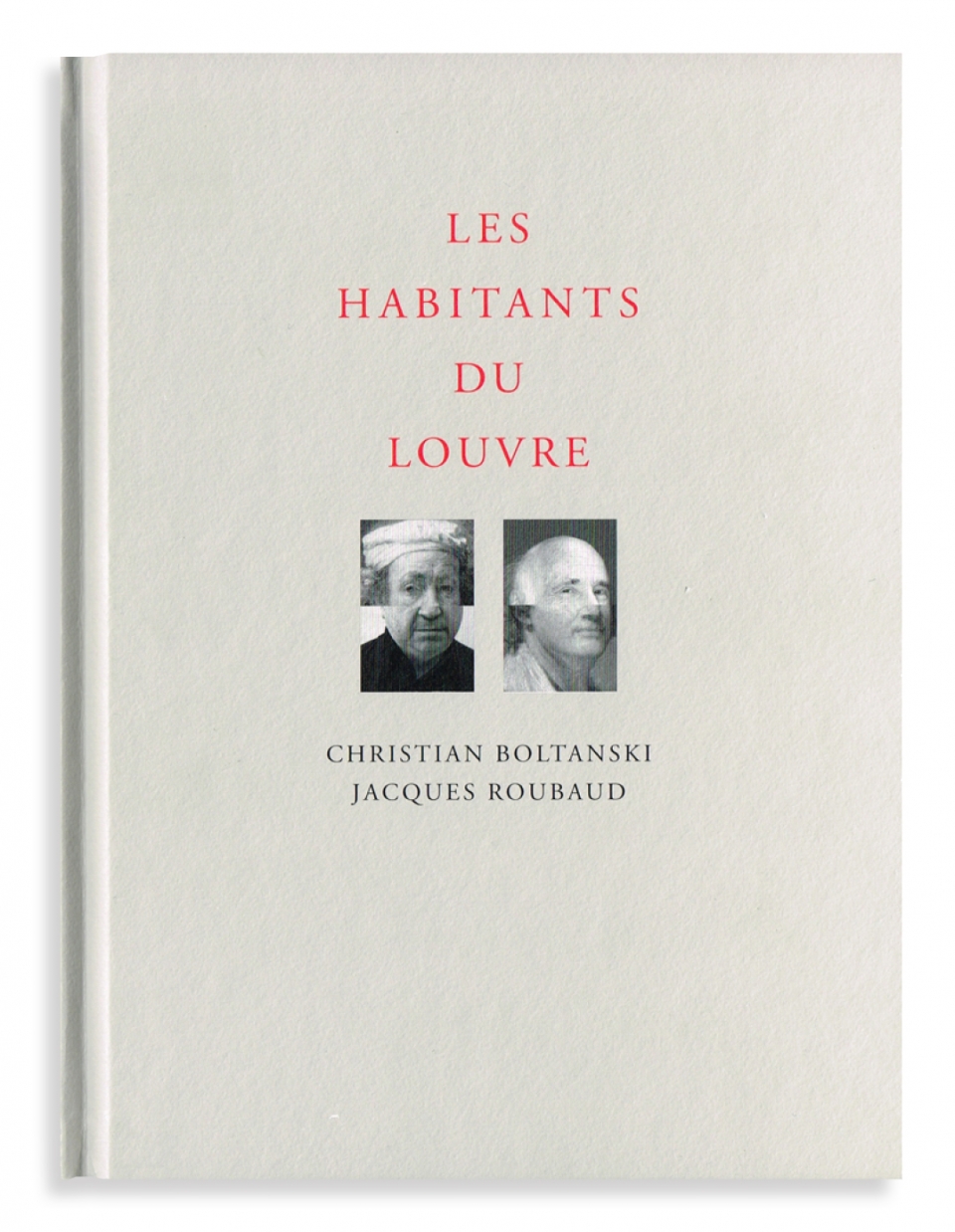
The Inhabitants of The Louvre

les-habitants-du-louvreChristian Boltanski, Jacques Roubaud
The Inhabitants of The Louvre, 2009

160 pag
17,5 x 23 cm
language: French
coedition Dilecta / Éditions du Musée du Louvre
ISBN 978-2-916275-63-5

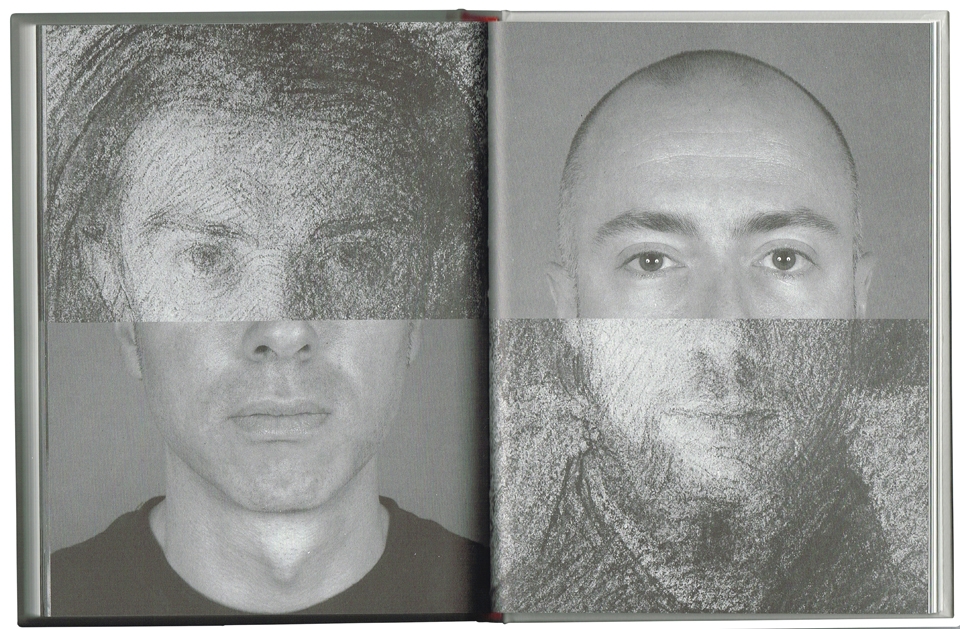
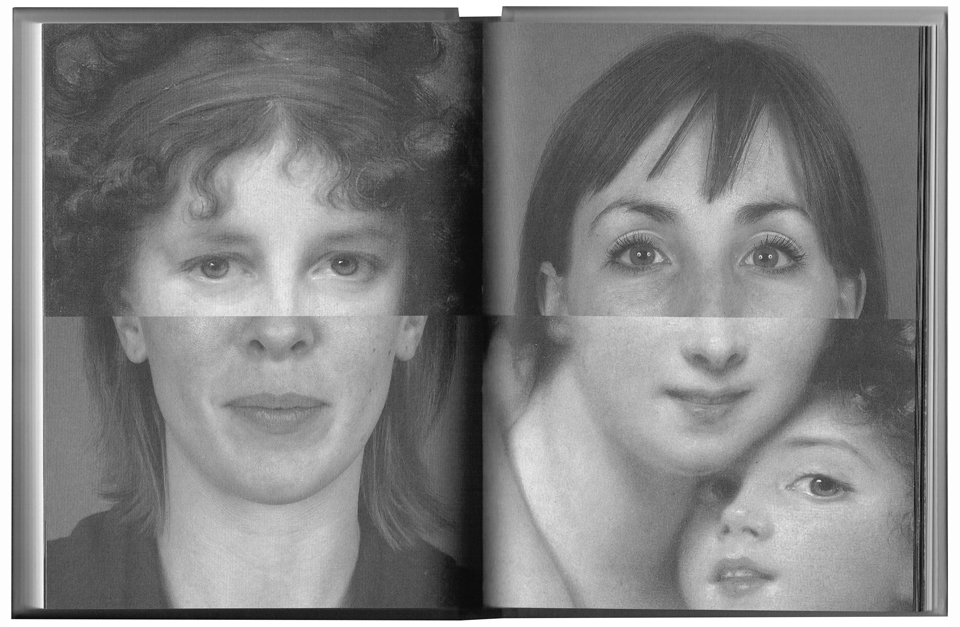
Por ocasião do programa “A Vertigem das Listas” coordenado por Umberto Eco no auditório do Louvre em Novembro de 2009, Christian Boltanski e Jacques Roubaud conceberam o livro “Os habitantes do Louvre”, um tributo à arte da lista.

O livro explora os recursos poéticos da lista: os efeitos da acumulação, edição, jogos Oulipianos…

Em primeiro lugar, o escritor Jacques Roubaud coloca uma série de listas temáticas, concebidas com grande humor e elegância, a partir da lista global dos “habitantes do Louvre” (uma mistura de artistas e empregados).

les-habitants-du-louvre3

Christian Boltanski, em seguida, produz uma série de fotomontagens, reunindo os rostos dos artistas (auto-retratos) e os rostos dos membros da equipe, fotografados para a ocasião, juntamente com uma lista única, indiferenciada, de todos os funcionários do Louvre e os artistas destacados na coleção do museu, criando uma espécie de diretório remoto de todos aqueles que, conhecidos ou desconhecidos, artistas ou funcionários, fazem a reputação do Louvre.

les-habitants-du-louvre2

Texto extraído de http://www.editions-dilecta.com/en/books/210-les-habitants-du-louvre.html

The reign of narcisism

the reign of narcisism

Barbara Bloom  (Los Angeles, EUA, 1951)
The Reign of Narcissism
Stuttgart, London, Zürich: Kunsthalle Zürich, The Serpentine Gallery, Wurttembergischer Kunstverein, 1990
244 p.
20.5 x 14 cm.
brochura, offset
2.200  ex.

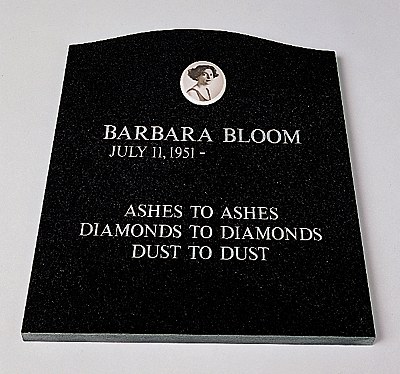
A compendium to and illuminating the many details of the widely traveled installation of the same title. This book guides us through the “set” of a 19th century museum room where all aspects of what we see are covered with traces of the artist’s likeness. (Self) portraits which take the form of vanity mirrors, watermark porcelain tea cups, chocolates, cameos, designs for her tombstone commemorative stamps showing the hospital where the artist was born, even period chairs upholstered with a cloth pattern of the artist’s dental X-rays. The texts delve us into the worlds of Hegel on The Greek Profile, Virginia Woolf’s The Lady in the Looking Glass, Ovid‘s myths of Echo and Narcissus, Bruce Chatwin’s Utz, and Wilde’s Picture of Dorian Gray. The overall effect of this elegant, subtle and ironic work is ultimately quite eerie. With text in English and German.

Book of Music

The Book of Music.jpg
[Michael Maranda]
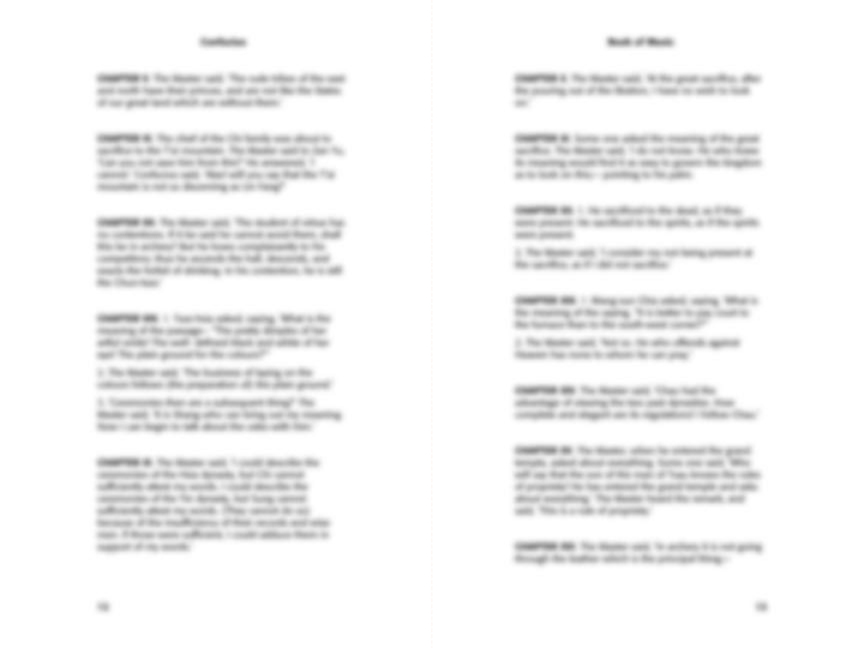
Book of Music
outro título: Confucius: Book of Music
Toronto, Ont.: Parasitic Ventures Press, 2007
Lost Book series
[139] p.
23 x 15,3 cm


K’ung Fu-Tzu, conhecido no Ocidente como Confúcio, escreveu os “Seis Livros” no sexto século aC. Composto por O Livro de Poesia, O Livro dos Rituais, O Livro da História, O Livro das Mutações, Os Anais da Primavera e Outono, e O Livro da Música, o conhecimento desses livros foi a base de consulta para a administração chinesa por mais de 2000 anos. Infelizmente, em algum momento, O Livro da Música se perdeu, levando alguns a afirmarem que ele nunca existiu.

Lost Books :: Confucius :: Book of Music

“K’ung Fu-Tzu, known in the west as Confucius, wrote the ‘Six Books’ in the sixth century BCE. Consisting of The Book of Poetry, The Book of Rituals, The Book of History, The Book of Changes, The Spring and Autumn Annals, and The Book of Music, knowledge of these books would be the basis of appointment to the Chinese bureaucracy for over 2000 years. Unfortunately, at some point in this period, The Book of Music was lost, leading some to claim that it never really existed.”

http://parasiticventurespress.com/books/?p=183

Disponível em PDF: www.parasiticventurespress.com/proofs/PVP_Lost_Confucious.pdf

Sem título

sem título

sem título1

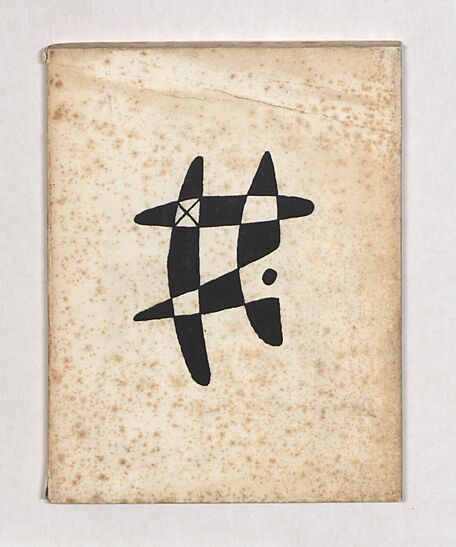
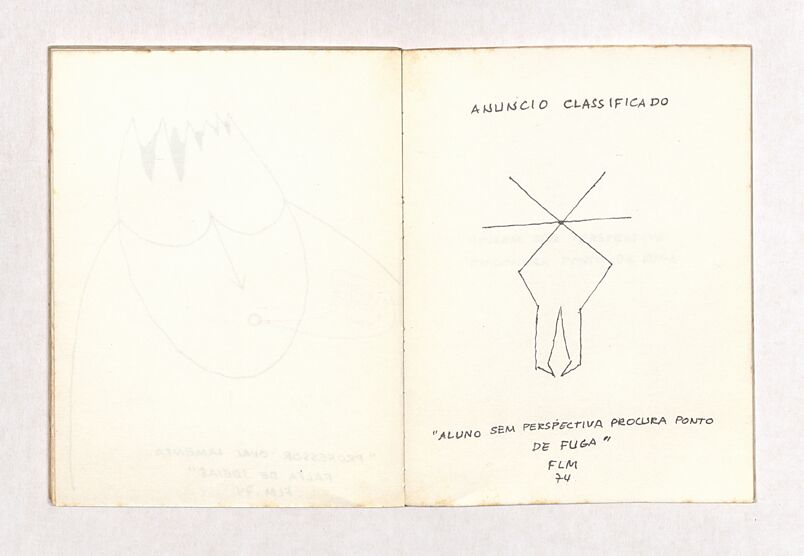
Flavio Motta (Flávio Lúcio Lichtenfelds Motta)  (São Paulo, 1923-2016)
Sem titulo.
São Paulo, João Pereira & Adolfo Neves, 1974.
12,5 x 16
84 p.
impresso em litografia

nota: uma página em cores (azul, verde, vermelho, amarelo e preto)

Nota de exposição:
Tendências do Livro de Artista no Brasil, CCSP, 1985

Self Hipnosis

leandro-katz_self-hipnosis_1975_cover

Leandro Katz (Buenos Aires, Argentina, 1938)
Self Hipnosis
New York: Viper’s Tongue Books, TVRT Press, 1975
Pages: [18] p.
Dimensions: 25 x 20 cm.
Edition size: unknown

leandro-katz_self-hipnosis_1975_inside

On each page of this book one of eighteen identical photographs of a single billboard in Curacao advertising “Hipnotismo” is laid out next to a Mayan numeral and its Arabic counterpart. Beneath these visual pairings runs a text composed when the artist was back in New York under the influence of Severo Sarduy, Roland Barthes, Guy Debord, Charles Ludlam and especially Raoul Vaneigem.

“The photographs for this piece were taken in a period of thirty-six seconds during a trip to the island of Curacao, where Papiamento – a tropicalization of cold-weather languages – is spoken. There I read the work of Sylvanus G. Morley, whose obsession with the American past I swear made me scribble Mayan numerals in my sleep off the ground and into the night very possibly after a cabalistic formula to be used the next evening in the local roulette. […] ” (L.K.)

imagens: http://daskunstbuch.at
site do artista: http://www.leandrokatz.com/

Sports

Kenneth Goldsmith 1961 EUA
Sports
Make Now Press (July 29, 2008)
Paperback: 120 pages
Language: English
ISBN: 978-0981596211

Poetry. SPORTS, the last of Kenneth Goldsmith’s American trilogy (THE WEATHER, TRAFFIC, and SPORTS), is a complete radio transcription of the longest nine inning Major League Baseball game on record. As with the rest of the trilogy, Goldsmith’s exact parsing of language is used to articulate an unfolding narrative. Nothing is left out: in SPORTS we hear every utterance and stumble of the announcers as well as each ad broadcast during the game. It is said that in a normal two and a half hour baseball game, approximately eight minutes of action occurs; this game–the New York Yankees vs. the Boston Red Sox from August of 2006–lasts nearly five hours, doubling the language, leaving the broadcasters a seeming eternity to fill with a parade of endless statistics and in-booth repartee. As the narrative grinds on and the hours pass, a claustrophobic sense of despair descends upon the booth. “Tomorrow?” asks one broadcaster. “I think we’re all writing opuses for tomorrow.”