Este blog tem como objetivo divulgar o acervo da Coleção Livro de Artista da Universidade Federal de Minas Gerais, a primeira coleção em uma biblioteca de universidade pública no Brasil. Em atividade desde novembro de 2009, o acervo possui mais de 1.500 livros de artista, além de obras de referência, revistas especializadas e revistas de artista. Atualmente este é o maior acervo público de livros de artista da América Latina.
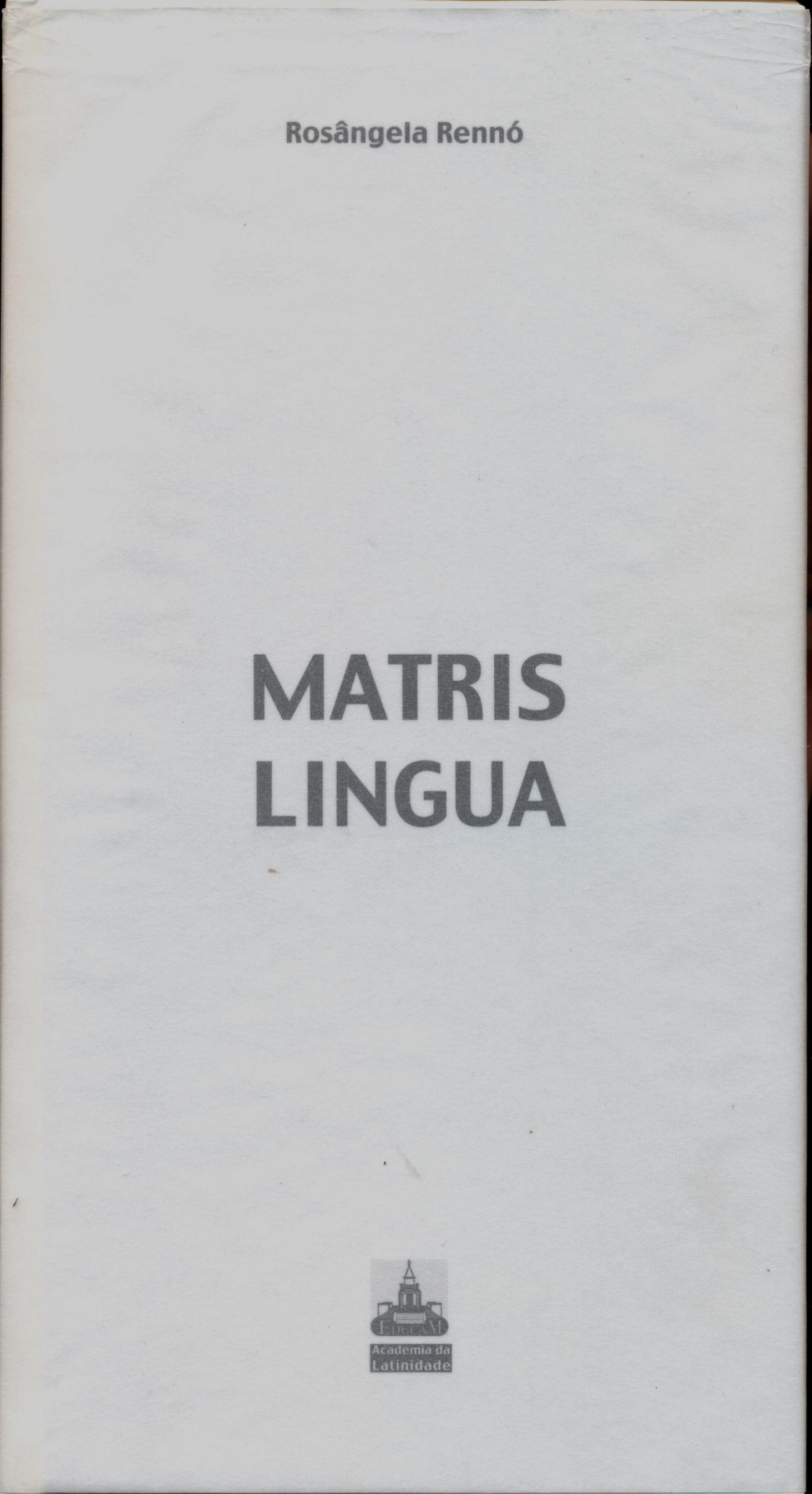
Rosângela Rennó
Matris lingua
Rio de Janeiro: EDUCAM : Academia da Latinidade, 2001.
Projeto gráfico: Rosângela Rennó e Marilá Dardot.
72 p.
23 x 12,5 x 1 cm.
Impressão offset em papel couché fosco 150g/m², colorido
tiragem 1100 exemplares.
Textos em português, francês, espanhol, italiano e línguas crioulas.
Encadernação de editor. Capa dura, com jaqueta de papel vegetal.
“Matris lingua é um arquivo em construção de canções tradicionais de embalar e ninar crianças em diversas línguas, dialetos neolatinos e línguas crioulas de base latina”.
“Todas as canções transcritas são de domínio popular, exceto: p.13 (de Celso Emílio Ferreiro), p.53 (de Henri Sauguet), p.55 (de Charles Fontaine)”
Wrong size fits all: a book of miracles
Brad Freeman.
Chicago : JAB Books, 2010.
134 p.: principalmente il. color. ; 22,5 x 14,5 x 2 cm.
Impressão em offset sobre papel monadnock dulcet, tiragem: 90 exemplares numerados e assinados.
Encadernação contemporânea : costura aparente sobre tiras de couro.
BU-Livro de Artista
Exemplar 45/90. BU-Livro de Artista
Claudia Jaguaribe
Atletas do Brasil
Rio de Janeiro : Sextante, 1999.
224 p. : fots. color. ; 22,5 x 16,5 x 2 cm.
Impressão em offset.
editor: Marcos da Veiga Pereira ; coordenação editorial: Andréa Carneiro Jakobsson ; textos: Marcos Augusto Gonçalves, Leão Serva.
Inclui legenda das fotografias: p. 217-223.
Encadernação de editor Capa dura.
Rômulo do Nascimento Pereira.
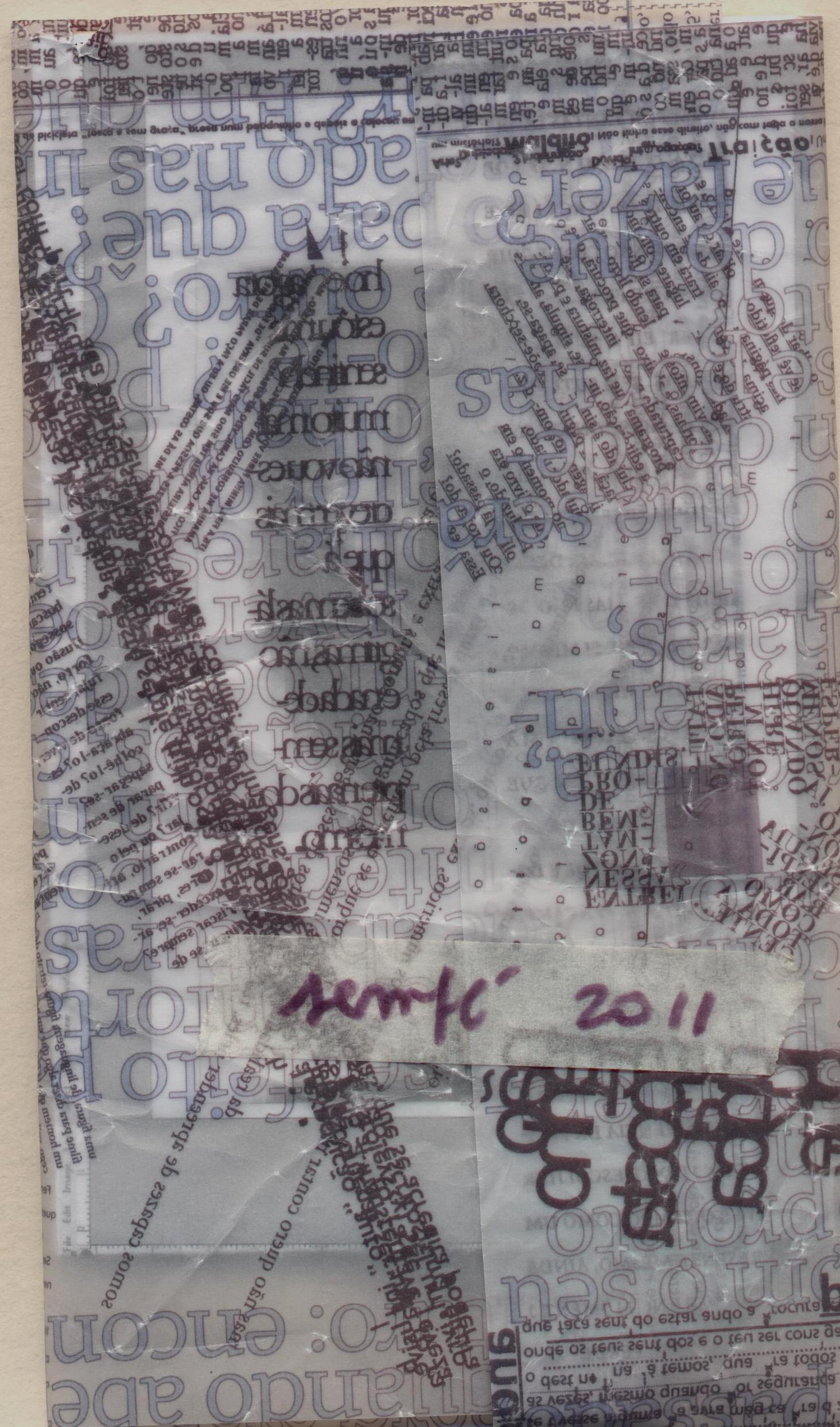
Semfé
Manaus: Ed. do Autor, 2011.
80 p. : il. p&b
11,5 x 18 cm.
Impresso em apenas uma cor, preto, em papel offset na gramatura 90. Cinco cadernos costurados sem capa. Obra envolvida em papel vegetal amassado, impresso em jato de tinta e fixado com uma fita adesiva onde se lê o título da obra e o ano de sua impressão escritos a mão.
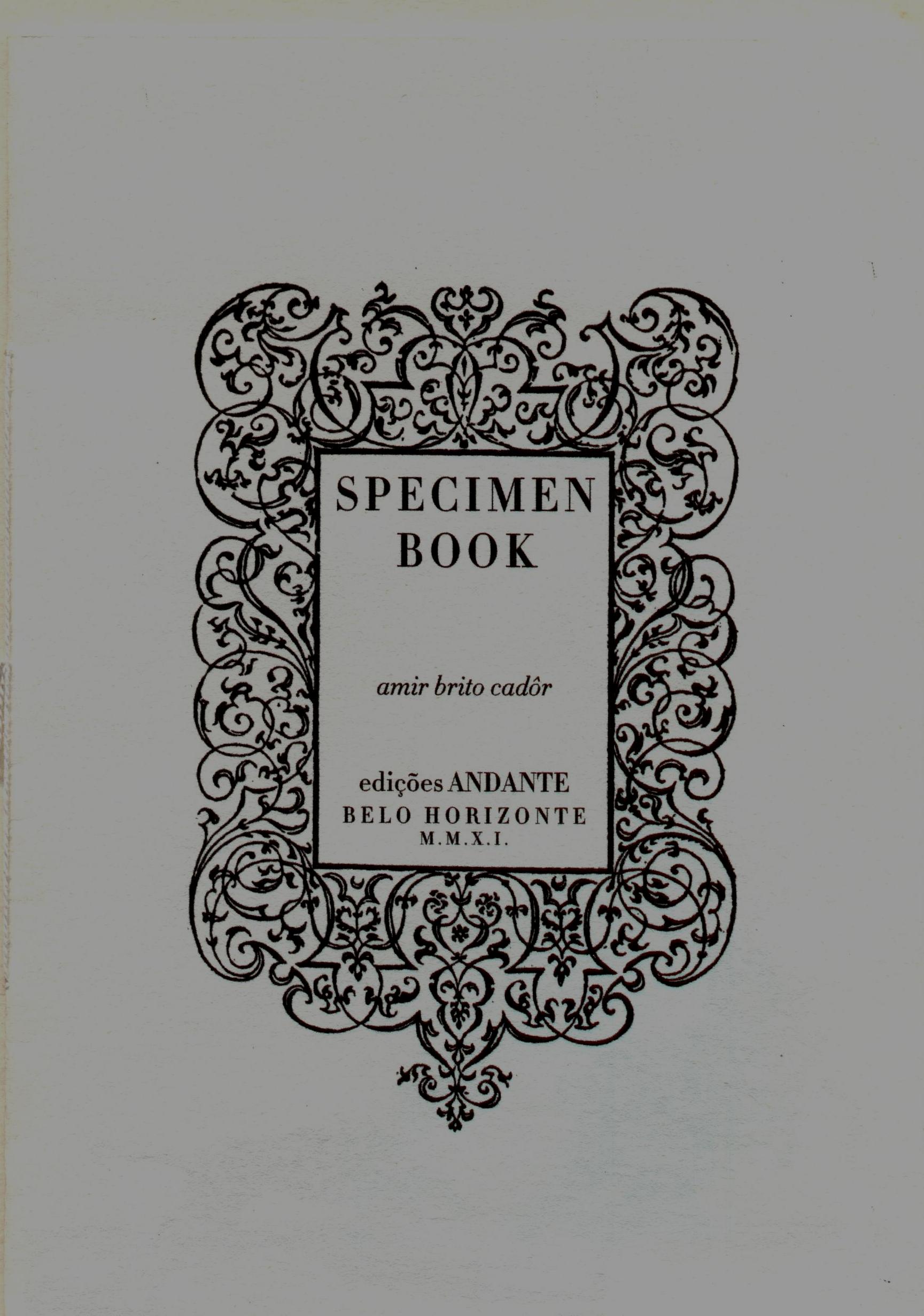
Specimen book
Amir Brito Cadôr.
Belo Horizonte : Edições Andante, 2011.
Descrição Física
12 p. : il. p&b ; 20,5 x 14,2 cm.
Impressão em jato de tinta, tiragem de 20 exemplares numerados.
Fólios costurados. BU-Livro de Artista
Exemplar 11/20. BU-Livro de Artista
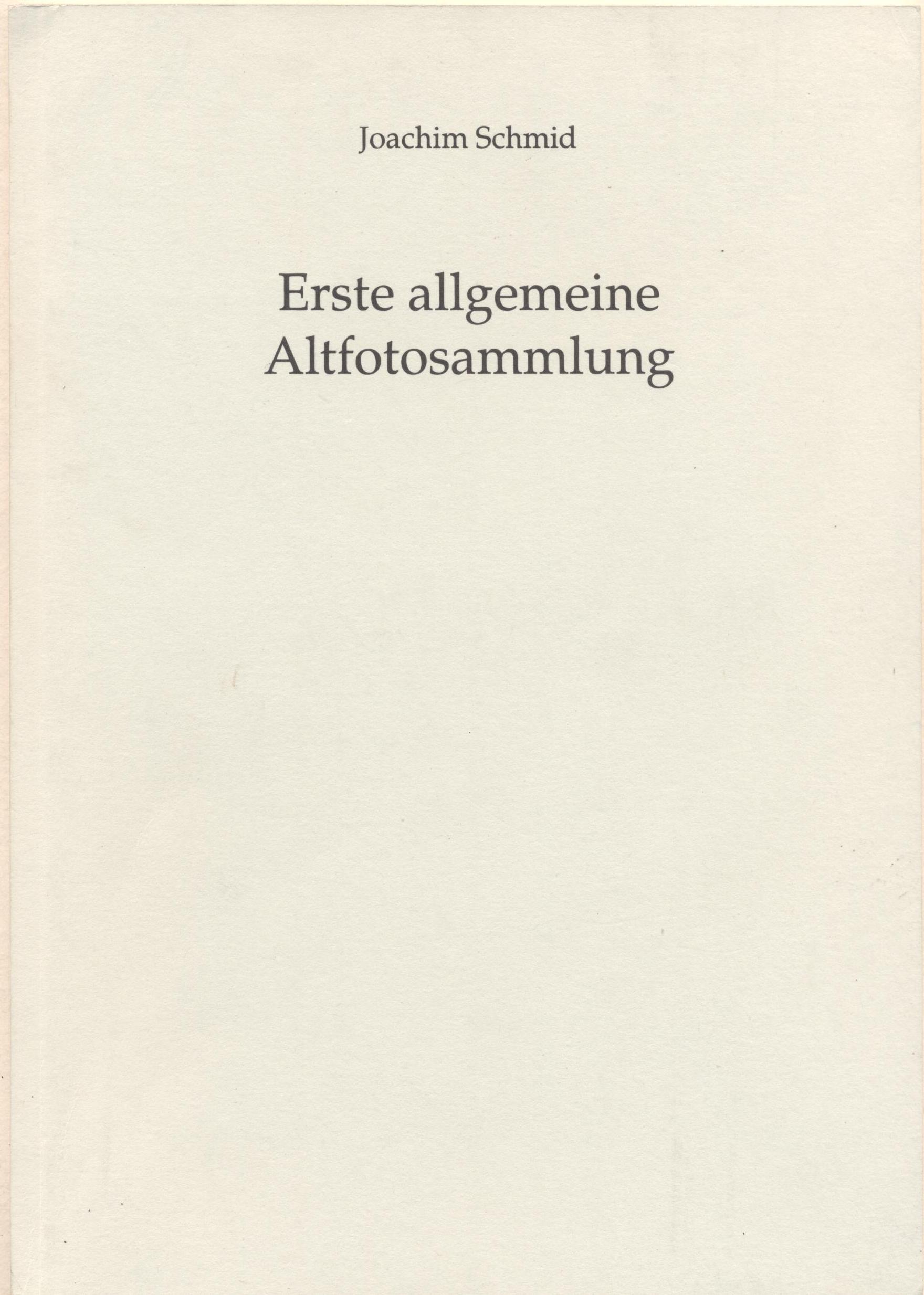
Joachim Schmid Erste allgemeine Altfotosammlung Berlin: Fricke & Schmid, 1991. 63 p. : 21 x 14,5 cm + 1 fotografia colorida. Texto em alemão Impressão em offset Inclui uma fotografia Polaroid carimbada, acondicionada em bolso plástico na parte interna da contracapa do livro. Exemplar número 305/400.
First General Collection of Used Photographs Year in and year out an unimaginable number of photographs are produced worldwide. Virtually every day each of us enlarges this gigantic mountain of photographs, without giving the consequences a second thought. But while photography seems a harmless leisure pursuit, the chemicals contained in all photographs pose enormous dangers to our health. What‘s more, photographs in such quantities increase visual pollution and undermine our thinking power—to say nothing of the moral dangers they pose for our children. In these conditions it would be best if we stopped making photographs altogether—but in many cases this is hardly possible. Therefore, it is essential to professionally dispose of all photographs once they are no longer needed. Experts from East and West have warned us for decades about the impending, catastrophic consequences of the photo boom, but their pleas have fallen on deaf ears among those responsible in industry and politics. Today billions of used photographs are stored improperly in homes and businesses, waiting for desparately needed recycling facilities. The Institute for the Reprocessing of Used Photographs, privately founded in 1990, offers a clear path out of this seemingly inescapable situation. The Institute maintains all facilities necessary to professionally reprocess photos of all kinds—or, in hopeless cases, dispose of them ecologically. We collect used, abandoned and unfashionable photographs in black and white or color, including instant photographs, photobooth strips, entire photo albums, contact sheets, test strips, negatives and slides, as well as damaged and shredded items, in both small and large quantities. Remember, used photographs do not belong in the household garbage—they need special disposal. Many photographs can serve a new and useful purpose after reprocessing. For the sake of our environment, send your used photographs to the Institute for the Reprocessing of Used Photographs. Participation in this recycling program is guaranteed free of charge!
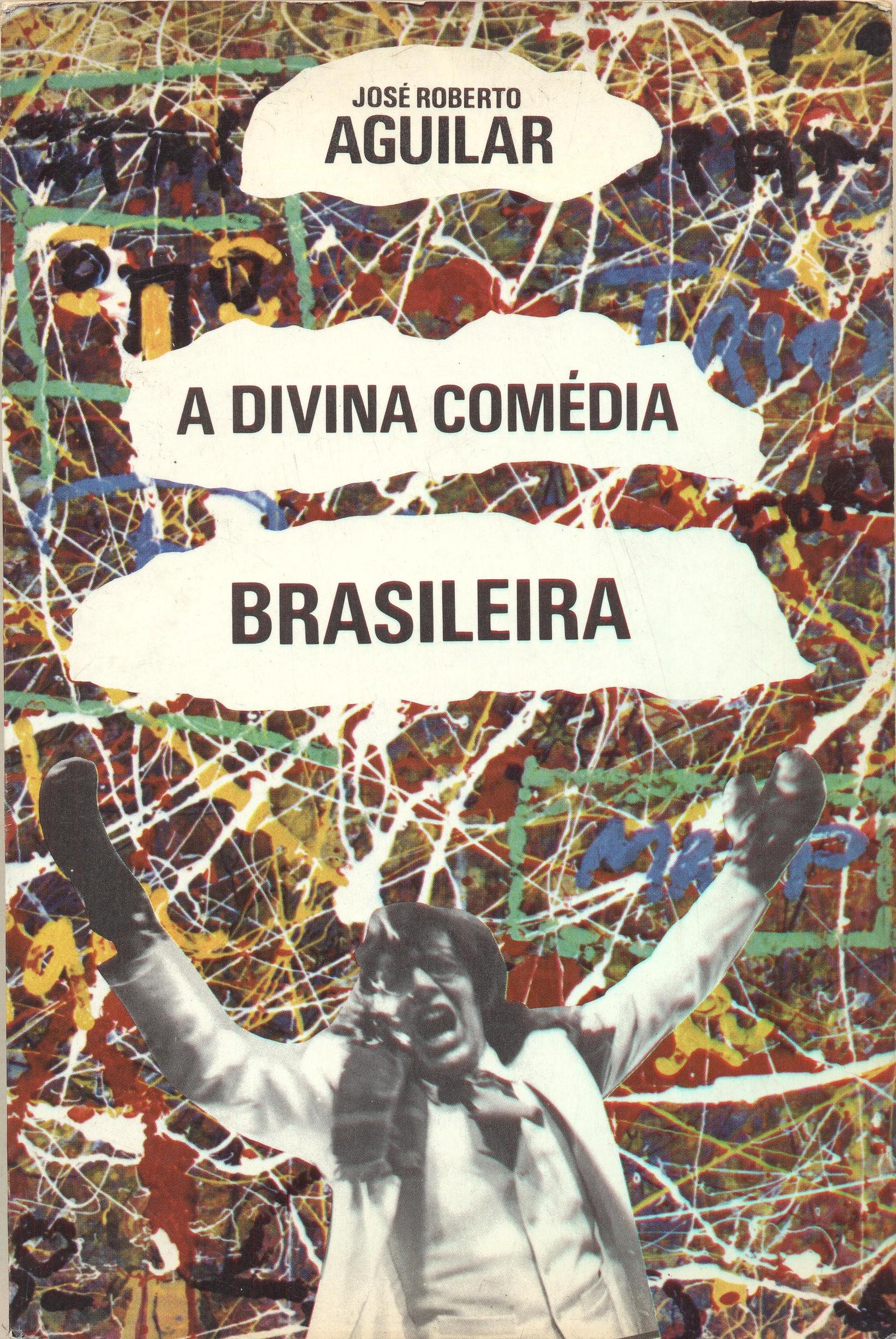
José Roberto Aguilar
A divina comédia brasileira
São Paulo : Livraria Cultura Editora, 1981.
156 p. : $b il. p&b; 20,5 x 14 x 1 cm.
Impressão em offset.
Brochura.
Joachim Schmid
Kunst gegen Essen
Berlin: Fricke & Schmid, 1996.
8 p. + 9 figurinhas il. color.
21 x 15 cm
Impressão em offset
500 exemplares.
Fólios grampeados
Inclui 9 figurinhas, acondicionadas em um envelope colado na parte interna da contra-capa.
“A concise reflection on art, economy, and food, published on the occasion of an exhibition which was held in an Italian restaurant in Berlin and for which I received payment in food and wine”. via https://www.lumpenfotografie.de/
Publicado durante uma exposição na “Fotogalerie Aroma”, Berlim, em julho de 1996.
Martha Hellion
Cuadernos de ensayos y palimsestos
Draftbook of essays and palimsests
San Pedro de los Pinos, México: MH Artist’s Books & Limited Editions , 2007.
17 f. : il. p&b
21,5 x 14 x 0,5 cm.
Impressão em offset
300 exemplares.
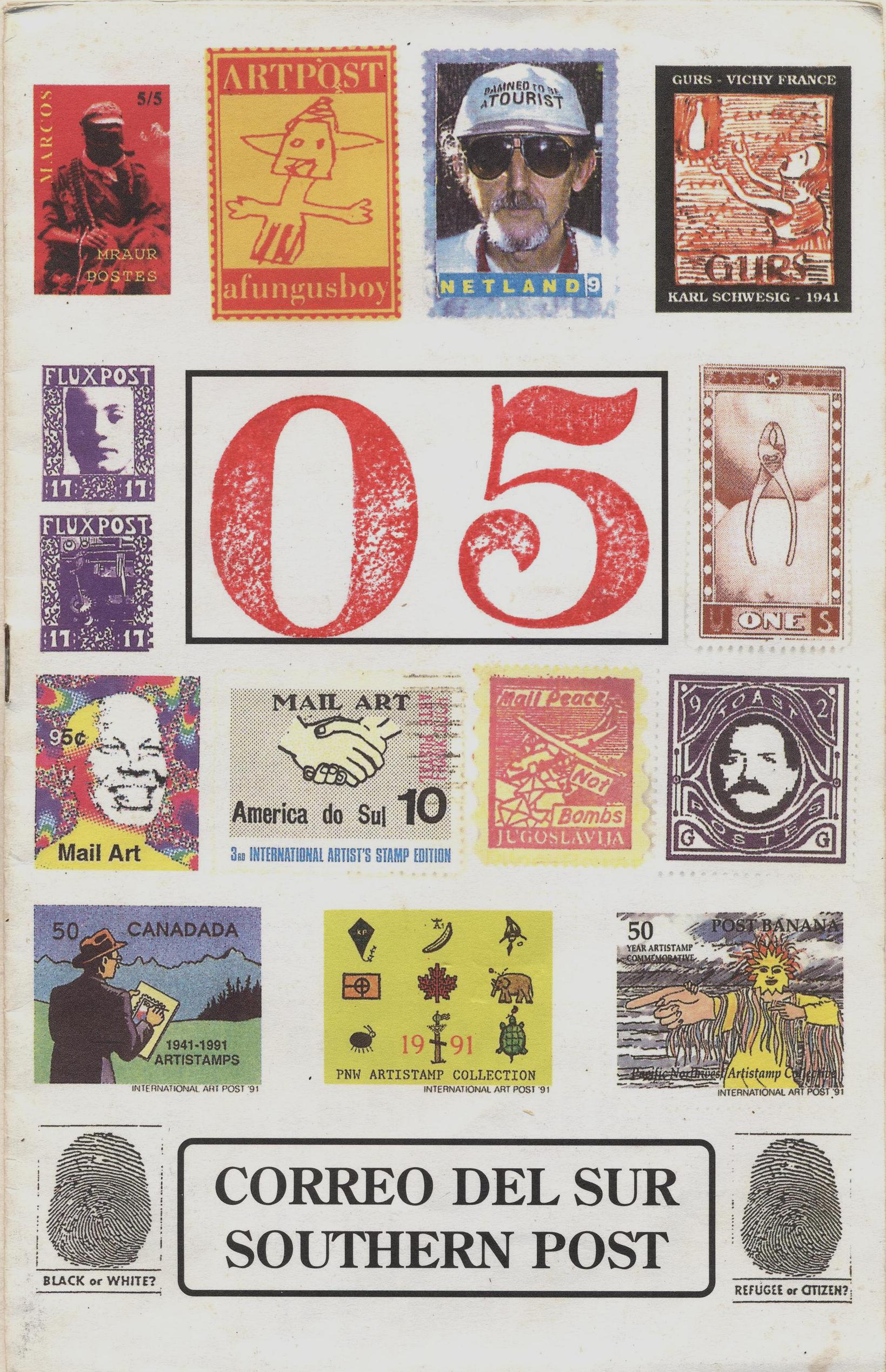
Clemente Padin.
Correo del Sur = Southern Post
Montevidéu : Editora do Autor, [2000].
12 p. : il. color.
grampeado
22 x 14 cm.
Publicação de arte postal, criado com uma coletânea de selos postais variados (carimbo, offset, gravura, desenho) produzidos por artistas de diversos países, colados na publicação.
Foram publicados 14 números com o mesmo título, no período de março de 2000 a maio de 2003.
 Wrong size fits all: a book of miracles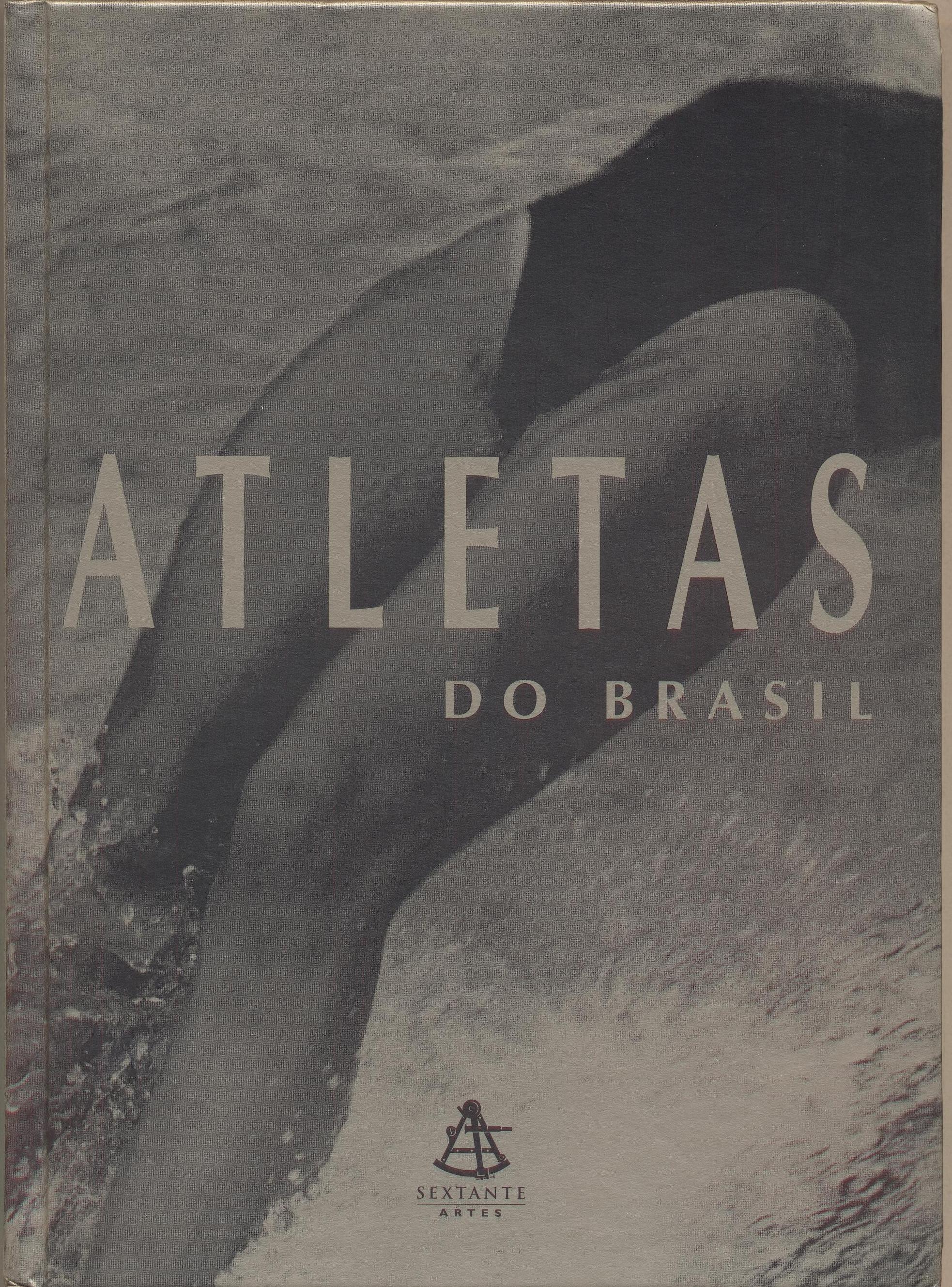
 Specimen book